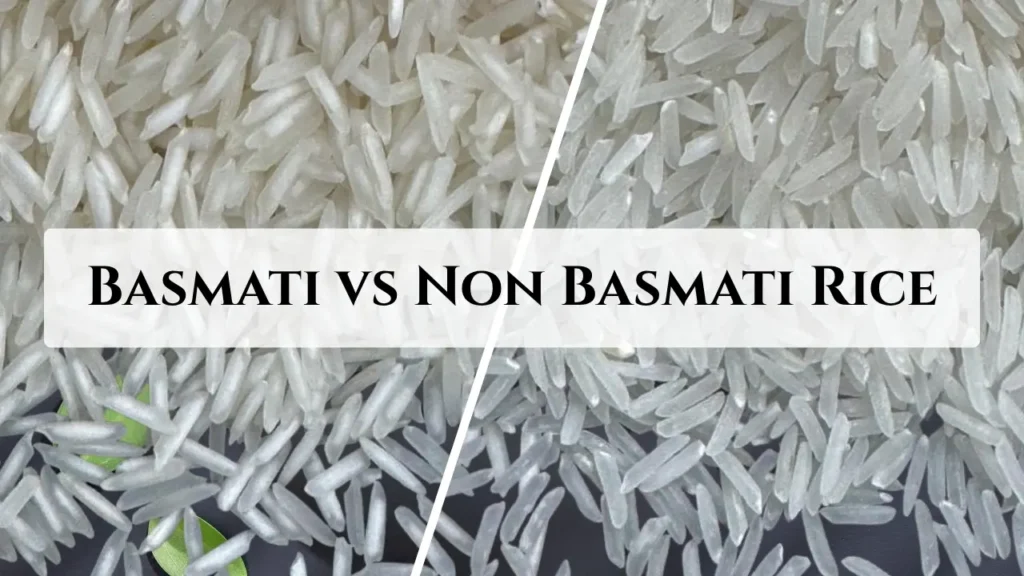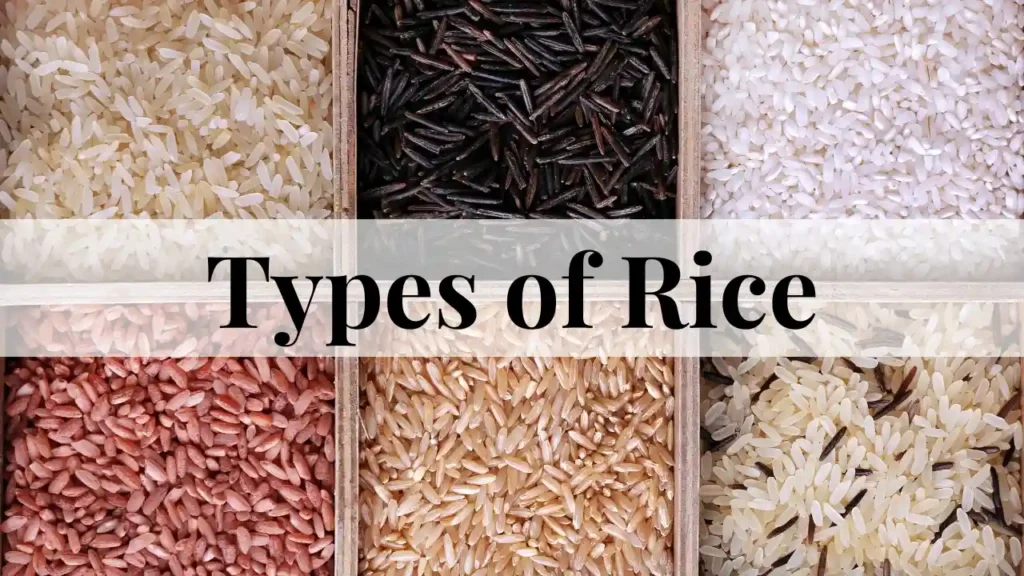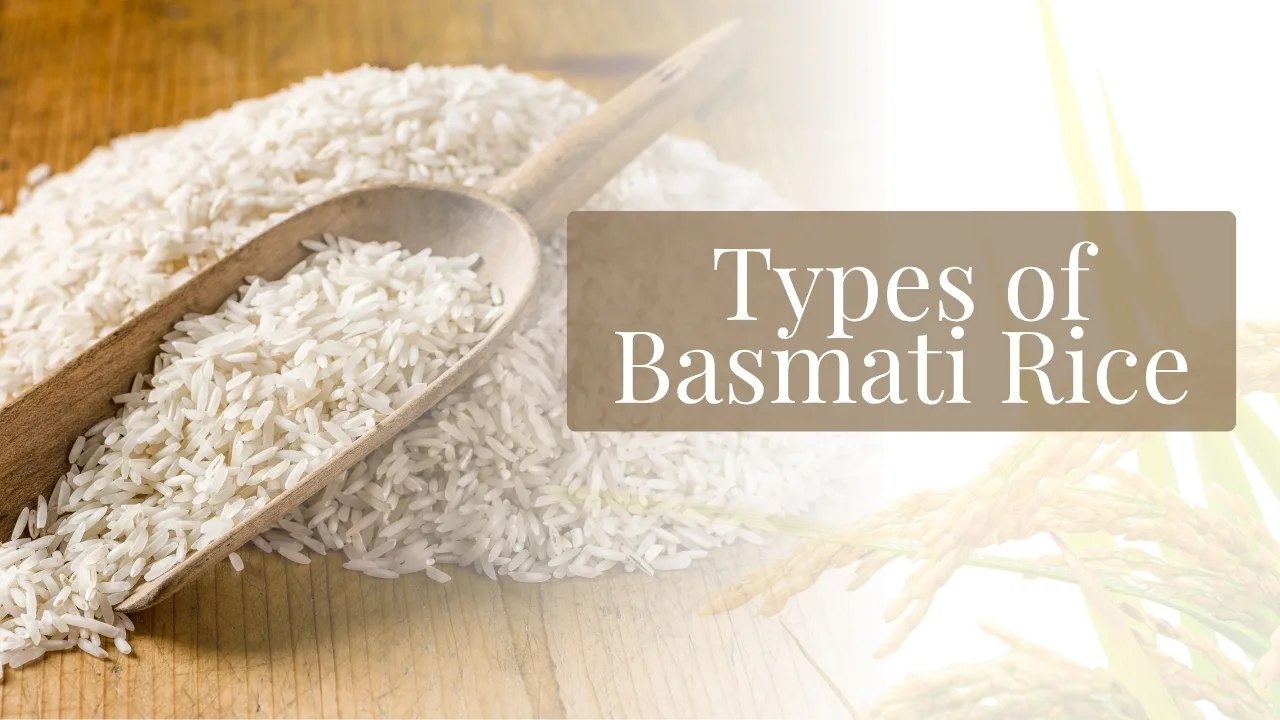
Basmati rice has earned the title “king of rice” for good reason, and understanding the different types of basmati rice makes it clear why no other variety comes close. Its extra-long grain, signature fragrance, and protected GI tag set it apart from every other rice grown in the world.
India, the largest producer of basmati, exports it to over 100 countries, feeding demand from home kitchens to five-star restaurants globally. But basmati is not a single rice.
There are several distinct types of basmati rice, each with its own grain length, aroma profile, cooking behaviour, and ideal use. This guide covers all the major varieties, their key specs, and exactly which one suits your cooking or buying needs.
What Makes Basmati Rice Special?
Basmati grows only in the Himalayan foothill regions of India and Pakistan, where the soil, water, and climate combine to produce a grain no other region can replicate.
This unique geography is exactly what gives basmati its distinct flavour and aroma. To protect this, basmati holds a Geographical Indication (GI) tag, which means only rice grown in officially notified regions of India can legally carry the name “Basmati.”
- Extra-long grain that nearly doubles in length after cooking.
- Natural fragrance produced by a compound called 2-acetyl-1-pyrroline.
- Lower glycemic index compared to regular white rice.
- Non-sticky texture that keeps each grain separate after cooking.
Types of Basmati Rice: 7 Major Varieties Explained
1121 Basmati Rice
When people picture premium basmati, they are usually thinking of 1121. It holds one of the longest grain lengths among all commercially grown basmati varieties and is the most widely exported basmati from India.
Its grains cook up fully separated, fluffy, and visually impressive, which is why it dominates hotel kitchens, wedding catering, and fine dining setups around the world. The strong aroma and consistent grain quality have made it a benchmark variety in the global rice trade.
- Grain Length (AGL): 8.30–8.35 mm.
- Aroma: Strong.
- Texture after cooking: Fluffy, non-sticky, grains fully separated.
- Best For: Premium biryani, wedding catering, hotel and restaurant use, export.
If you are a bulk buyer, exporter, or catering professional who needs a reliable top-tier grain every time, 1121 is the right choice.
1718 Basmati Rice
1718 basmati is a newer variety that has quickly built a strong reputation in both domestic and export markets. Its grain length sits close to 1121 but the texture after cooking is slightly softer and looser, which many cooks actually prefer for certain rice preparations.
The aroma is strong and the overall eating experience is rich, making it a popular choice for festive cooking and biryani. It competes directly with 1121 in export volumes and is growing steadily in buyer preference.
- Grain Length (AGL): 7.90–8.00 mm.
- Aroma: Strong.
- Texture after cooking: Soft and slightly loose after cooking.
- Best For: Export markets, festive cooking, biryani.
Buyers looking for a strong-aroma, long-grain variety with a softer bite than 1121 will find 1718 a great match.
1509 Basmati Rice
1509 basmati is one of the most practical varieties available and is widely used wherever large volumes are needed at a reasonable price point. The grain is long and cooks up fluffy and non-sticky, but the aroma is mild compared to premium varieties like 1121 or 1718.
This makes it ideal for bulk catering, food service operations, and HORECA businesses where cost efficiency matters without fully compromising on grain quality. It is also a popular choice for budget biryani served at large-scale events.
- Grain Length (AGL): 8.10–8.20 mm.
- Aroma: Mild.
- Texture after cooking: Fluffy, non-sticky.
- Best For: Bulk catering, large-scale food service, HORECA, budget biryani.
1509 is the smart pick for catering businesses, institutional kitchens, and food processors who need consistent quality at scale.
1401 Basmati Rice
1401 basmati occupies the middle ground between premium export varieties and everyday household rice. The grain length is solid, the aroma is medium-strong, and the cooked texture is soft with a slightly moist feel that many households prefer for daily meals.
It is not as visually striking as 1121 but it delivers good flavour and a satisfying eating experience at a price that works for regular use. This variety is widely sold in the mid-market segment across India.
- Grain Length (AGL): 7.70–7.90 mm.
- Aroma: Medium-strong.
- Texture after cooking: Soft, slightly moist after cooking.
- Best For: Mid-market, household daily use, balanced meals.
1401 suits home cooks and retailers who want genuine basmati quality for everyday meals without paying a premium price.
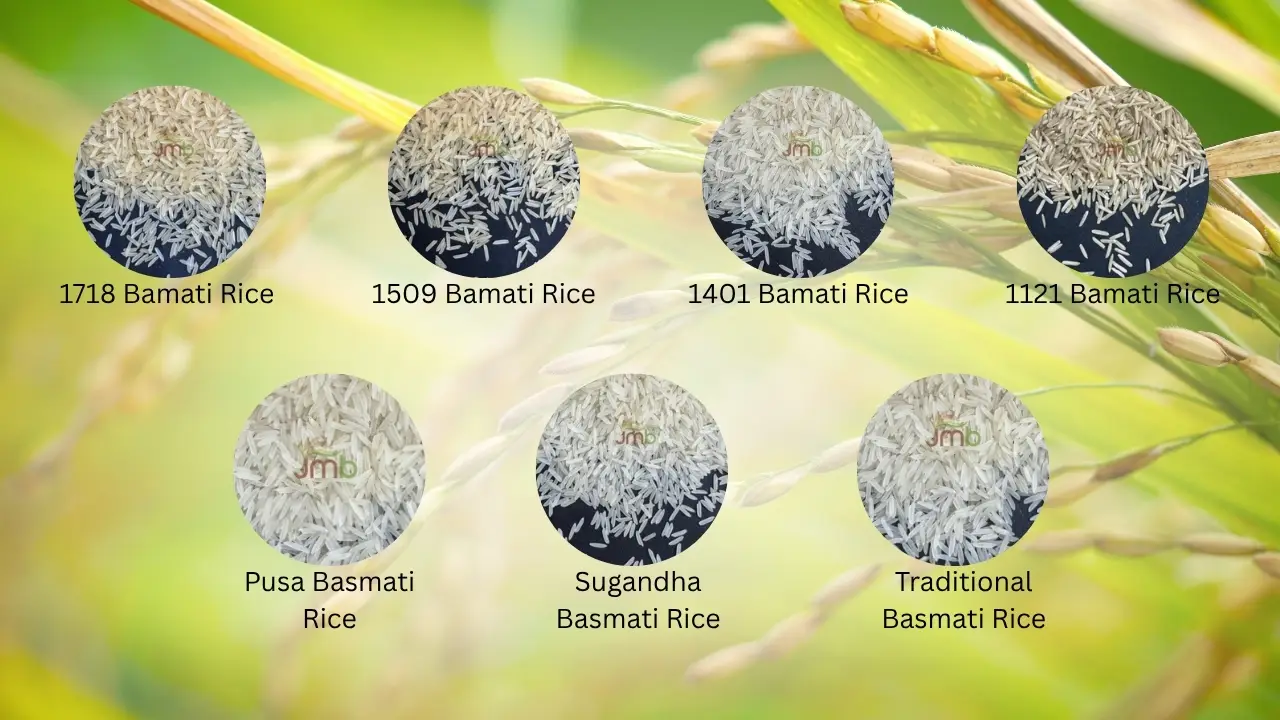
Traditional Basmati Rice
Traditional basmati is the original variety, grown and consumed in India long before hybrid versions were developed. The grain is shorter compared to modern varieties but what it lacks in length it more than makes up for in aroma.
The fragrance is deep, rich, and unmistakably authentic, the kind that fills a kitchen the moment it hits the pot. It cooks soft with grains that stay separate, and it pairs beautifully with classic Indian preparations where aroma is the whole point.
- Grain Length (AGL): 7.20–7.50 mm.
- Aroma: Deep and rich, the original basmati fragrance.
- Texture after cooking: Soft, grains stay separate.
- Best For: Authentic Indian meals, plain rice, festive home cooking.
Anyone who values true basmati fragrance over grain length, especially for traditional home cooking, should go with traditional basmati.
Pusa Basmati Rice
Pusa basmati is a dependable, widely available variety that works well for everyday cooking at home. The grain length is moderate, the aroma is present but not overpowering, and the cooked texture is fluffy with minimal stickiness.
It does not stand out the way premium varieties do, but it delivers consistent results meal after meal. It is one of the most commonly found basmati varieties in household kitchens across India and is priced accessibly for daily use.
Grain Length (AGL): 7.40–7.45 mm.
Aroma: Moderate.
Texture after cooking: Fluffy with less stickiness.
Best For: General home cooking, daily rice consumption.
Pusa basmati is the right everyday rice for families who want a reliable, no-fuss basmati for regular meals.
Sugandha Basmati Rice
Sugandha means fragrance, and this variety lives up to its name. It has a naturally pleasant aroma that makes it well suited for dishes where the rice itself needs to contribute to the overall flavour profile.
The grain is long, the texture after cooking is fluffy and light, and it performs well in both plain preparations and spiced rice dishes. It has found a steady market in exports as well as in biryani preparations where a lighter, fragrant grain is preferred over a denser one.
- Grain Length (AGL): 7.80–7.90 mm.
- Aroma: Naturally fragrant.
- Texture after cooking: Fluffy and light.
- Best For: Export markets, biryani, flavoured rice dishes.
Sugandha is a good fit for exporters, restaurants, and home cooks who want a fragrant, light-textured grain for biryani and flavoured rice dishes.
Basmati Rice Processing Types: Raw, Steam, Sella & Golden Sella
The same basmati variety, say 1121, can come in four different processing forms, and each one looks, cooks, and behaves differently. Choosing the right processing type matters just as much as choosing the right variety.
Raw Basmati Rice
Raw basmati is minimally processed and retains its natural white colour. It cooks faster than other forms and produces a softer, tender texture on the plate. It is the go-to choice for home cooking and restaurant kitchens where quick preparation is needed.
Steam Basmati Rice
Steam basmati is lightly steamed before milling, which partially pre-cooks the grain. This gives it a firmer bite and helps the grains stay fully separate after cooking. It works best for biryani, dum preparations, and premium restaurant use.
Sella (Parboiled) Basmati Rice
Sella rice is parboiled inside the husk before processing, giving it a golden or cream colour. The parboiling process helps retain more nutrients compared to raw rice. It is widely used in large-scale cooking, hotel kitchens, and export shipments.
Golden Sella Basmati Rice
Golden sella goes through additional processing, which deepens its golden colour and makes the grain extra firm with a very non-sticky texture. It also has the longest shelf life among all processing types. It is the preferred choice for Middle East export markets, buffet catering, and bulk buyers.
Types of Basmati Rice: Quick Comparison Table
| Variety | Grain Length (AGL) | Aroma | Texture | Best For | Price Range |
|---|---|---|---|---|---|
| 1121 Basmati | 8.30–8.35 mm | Strong | Fluffy, non-sticky | Premium biryani, export | Premium |
| 1718 Basmati | 7.90–8.00 mm | Strong | Soft, loose | Export, festive cooking | Premium |
| 1509 Basmati | 8.10–8.20 mm | Mild | Fluffy | Bulk catering, HORECA | Budget |
| 1401 Basmati | 7.70–7.90 mm | Medium | Soft, moist | Mid-market, household | Mid-range |
| Traditional Basmati | 7.20–7.50 mm | Deep, rich | Soft, separate | Authentic Indian meals | Premium |
| Pusa Basmati | 7.40–7.45 mm | Moderate | Fluffy | Daily home cooking | Mid-range |
| Sugandha Basmati | 7.80–7.90 mm | Fragrant | Fluffy, light | Export, biryani | Budget |
Which Type of Basmati Rice is Best? (Depends on Your Use)
There is no single answer to which variety of basmati rice is best, because the right choice depends entirely on what you are cooking and who you are cooking for. Here is a simple use-case guide to help you decide.
Best Basmati Rice for Biryani
1121 Basmati in steam or raw form is the top pick for biryani. Its extra-long grain holds up beautifully in dum cooking and stays fully separate on the plate. 1718 is a close second, offering a strong aroma with a slightly softer bite.
Best Basmati Rice for Daily Home Cooking
Pusa or 1401 basmati are the most practical choices for everyday meals. Both are affordable, cook consistently well, and deliver genuine basmati quality without the premium price tag.
Best Basmati Rice for Export, Bulk Buyers, and Hotels
1121 Golden Sella or Sella is the standard choice here, offering long shelf life, consistent grain quality, and strong demand across Middle East and European markets. 1509 works well for buyers who need volume at a lower price point.
Best Basmati Rice for Authentic Indian Flavour
Traditional basmati is the clear choice for anyone who wants the real, original fragrance. It is a heritage variety and no modern hybrid fully matches the depth of its aroma.
Is Basmati Rice Good for Health?
Basmati rice has a lower glycemic index (GI 50 to 58) compared to regular white rice (GI around 72), which means it releases glucose more slowly into the bloodstream.
This makes it a more balanced carbohydrate option for most people, though individual dietary needs vary and a doctor or nutritionist is the right person to guide specific health decisions.
- Cholesterol: Basmati rice is low in saturated fat and naturally cholesterol-free, making it generally suitable as part of a heart-healthy diet.
- Blood pressure: Brown basmati rice contains magnesium, which may support healthy blood pressure levels when consumed as part of a balanced diet.
- Daily consumption: Eating basmati rice in moderate portions daily is generally considered safe for most healthy adults.
Note: This section is for general information only and does not constitute medical advice. Please consult your doctor before making dietary changes based on a health condition.
FAQ
Q1: What is the difference between 1121 and 1718 basmati rice?
Ans: 1121 has a longer grain and wider global export demand. 1718 has a shorter crop duration and strong aroma. Both are premium varieties.
Q2: Which is better — 1121 or 1509 basmati rice?
Ans: 1121 wins on grain length, aroma, and presentation. 1509 is more economical and faster to cook. Choose based on budget and purpose.
Q3: What does 1121 rice mean?
Ans: 1121 is a variety code assigned by IARI. It is an identification number, not a quality ranking.
Q4: Which is the No. 1 basmati rice in India?
Ans: 1121 Basmati is widely considered India’s most premium and most exported variety, known for its extra-long grain and strong aroma.
Q5: What is Type 3 basmati rice?
Ans: Type 3 refers to Dehraduni Basmati, one of India’s oldest heritage varieties, grown in the Dehradun valley with exceptional natural aroma.
Q6: How many types of basmati rice are there?
Ans: India has 29 officially notified basmati varieties. The most commercially important ones are 1121, 1718, 1509, 1401, Traditional, Pusa, and Sugandha.
Conclusion
Now that you know the different types of basmati rice, choosing the right one becomes much simpler. From the premium export-grade 1121 to the budget-friendly 1509 and the deeply aromatic Traditional variety, every type serves a specific purpose.
The right choice comes down to your cooking needs, your buyer’s preferences, and your budget. Whether you are a home cook, a bulk buyer, or an exporter, there is a basmati variety built for exactly what you need.
Looking to source premium quality basmati rice for export or bulk requirements? Explore JMB Agro’s rice varieties here or Contact us for a quote.