Rice is not just food, it is civilization. Yet most people interact with only two or three varieties their entire lives white rice, brown rice, maybe basmati on a good day. The reality is far richer than that.
Over 40,000 cultivated varieties of rice (Oryza sativa) exist worldwide, each shaped by centuries of farming, climate, and culture. India alone contributes dozens of the world’s most celebrated types from aromatic Basmati to everyday Sona Masoori. This guide covers how rice is classified, what makes each variety distinct, and the major types worth knowing.
How Are Rice Varieties Actually Classified?
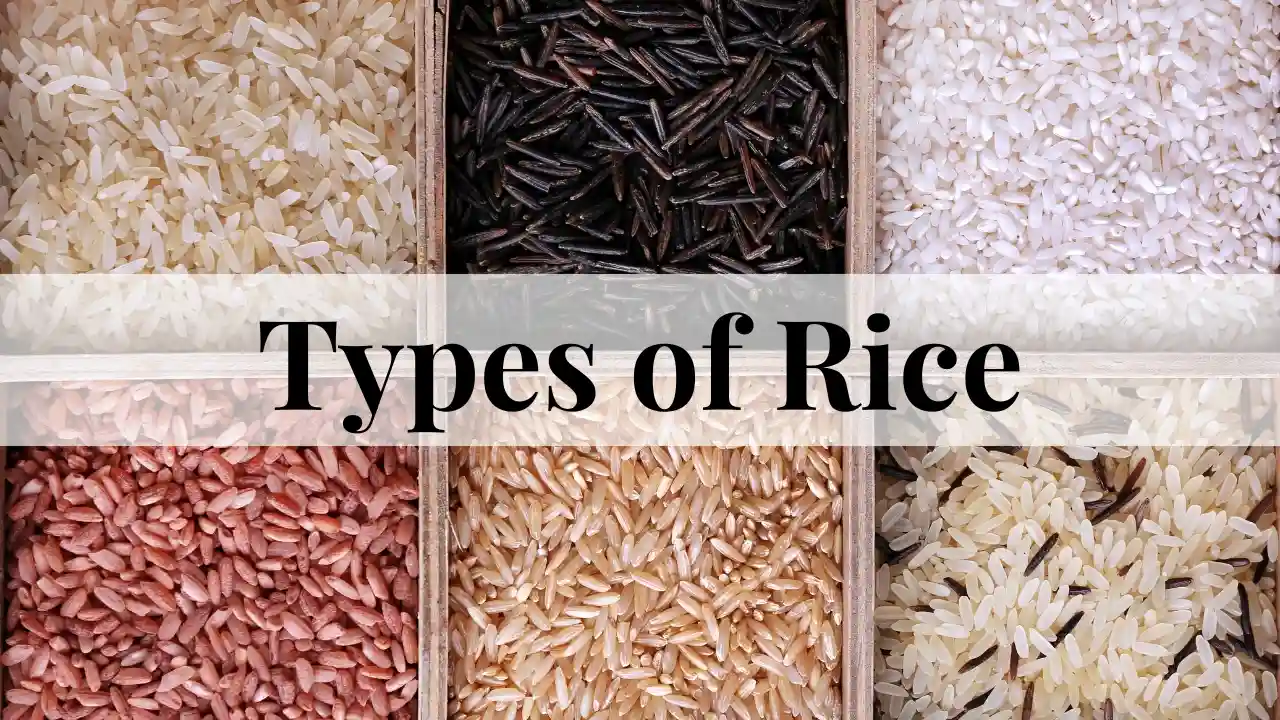
Most people think of rice in two buckets white or brown. But that is only one layer of a much deeper classification system. Rice is actually categorized across three distinct layers:
- Subspecies — the genetic foundation (Indica or Japonica).
- Grain size — long, medium, or short.
- Processing method — how the grain is milled after harvest.
These three layers overlap. A single variety like Basmati, for example, is simultaneously an Indica subspecies, a long grain, and available in both raw-milled and parboiled forms. Understanding all three layers is what separates a surface-level knowledge of rice from a genuinely informed one.
Indica vs. Japonica: The Two Subspecies That Define Most Rice
Within the 40,000+ varieties of cultivated rice, two subspecies account for the overwhelming majority: Oryza sativa Indica and Oryza sativa Japonica.
Indica varieties are long grain, grown in tropical climates across South Asia, Southeast Asia, and Africa. They have higher amylose content, which means they cook up separate and fluffy. Most of India’s rice Basmati, IR 64, Sona Masoori falls under Indica.
Japonica varieties are short to medium grain, grown in temperate regions like Japan, Korea, and northern Italy. They contain more amylopectin, giving them a softer, stickier texture when cooked.
India grows predominantly Indica varieties, making it the world’s leading source of the long grain rice that feeds most of the planet.
Understanding Grain Size: Short, Medium, and Long
Grain size is the most visible way to tell rice varieties apart, but the real difference is what happens inside the grain during cooking.
It comes down to two starch types: amylose and amylopectin. Long grain rice is high in amylose, which resists water absorption and keeps grains separate and fluffy after cooking. Short grain rice is dominated by amylopectin, which breaks down easily with heat and moisture, creating that characteristic sticky, clumping texture.
Medium grain sits between the two: tender and slightly moist when cooked, neither fully fluffy nor fully sticky.
| Grain Type | Shape | Texture When Cooked | Starch Type |
|---|---|---|---|
| Long Grain | 4–5x longer than wide | Fluffy, separate | High amylose |
| Medium Grain | 2–3x longer than wide | Tender, moist | Balanced |
| Short Grain | Almost round | Sticky, clumps | High amylopectin |
This starch behavior is why you cannot substitute sushi rice with basmati, or risotto rice with jasmine; science simply does not allow the same result.
Long Grain Rice Varieties: Light, Fluffy, and Aromatic
Long grain rice is the most widely grown rice category globally. India is its undisputed capital, producing varieties that range from the world’s most premium aromatic rice to high-volume everyday staples.
Basmati Rice
Grown in the Himalayan foothills of India and Pakistan, Basmati is one of the world’s most recognized aromatic rice varieties. Its extra-long grains expand during cooking, while traditional aging helps develop the distinctive nutty and floral fragrance.Key Indian varieties include:
- Pusa 1121 — extra-long grain, most widely exported.
- Traditional Basmati — shorter grain, deeper aroma.
- Pusa 1509 — faster maturing, excellent cooking quality.
To explore each Basmati variety in detail including grain length, aroma, and best uses, read our complete guide on Types of Basmati Rice.
Sharbati Rice
Grown in Madhya Pradesh’s Sehore district, Sharbati is often called the golden grain of MP. It is a non-basmati aromatic variety with these distinct traits:
- Softer and slightly sweeter than standard Basmati.
- Long slender grains that cook exceptionally soft.
- Naturally golden hue from the region’s black-soil farmland.
IR 64 Rice
Developed by IRRI and widely cultivated across India, IR 64 is one of the most exported non-basmati varieties worldwide. Key characteristics:
- Available in both raw milled and parboiled forms.
- Neutral flavor with consistent grain quality.
- Primary rice supply for Africa, Middle East, and South Asia.
Jasmine Rice
Originating from Thailand, Jasmine rice carries a softer, more floral aroma than Basmati. Notable traits:
- Slightly sticky texture when cooked despite being long grain.
- Lower amylose ratio compared to other long grain varieties.
- Staple rice across Thai, Cambodian, and Vietnamese cuisines.
Medium Grain Rice Varieties
Medium-grain rice varieties fall between long and short-grain rice in both size and texture. They typically absorb more moisture during cooking, resulting in a tender consistency that is neither completely fluffy nor overly sticky.
Sona Masoori Rice
Sona Masoori is a popular rice variety cultivated in Andhra Pradesh and Telangana. Known for its lightweight grains and mild flavor, it is widely used in South Indian households for everyday meals.
Arborio Rice
Arborio rice originates from Italy’s Po Valley and is famous for its role in risotto. Its high starch content creates a creamy texture during cooking while allowing the grains to retain a slight firmness.
Black Rice (Forbidden Rice)
Black rice has its roots in ancient China, where it was once reserved for royalty. The grains develop a deep purple color when cooked and are valued for their naturally occurring anthocyanins, the same antioxidants found in blueberries.
While medium-grain varieties differ significantly in flavor and appearance, they are often appreciated for their balanced texture and versatility in a wide range of cuisines.
Short Grain Rice Varieties
Short-grain rice varieties are typically rounder and broader than long or medium-grain rice. Their higher amylopectin content gives them a soft, sticky texture after cooking, making them ideal for dishes where the grains need to hold together.
Sushi Rice
Sushi rice belongs to the Japonica subspecies and is a staple of Japanese cuisine. Its natural stickiness allows it to be shaped into sushi rolls, rice balls, and other traditional dishes without falling apart.
Glutinous Rice
Despite its name, glutinous rice contains no gluten. Also known as sticky or sweet rice, it becomes exceptionally sticky when cooked and is commonly used in Asian desserts, dumplings, and rice cakes.
Gobindobhog Rice
Gobindobhog is a traditional short-grain rice variety from West Bengal, India. It is known for its pleasant aroma, soft texture, and long association with Bengali cuisine, particularly festive and ceremonial dishes.
Unlike long-grain varieties that are valued for their fluffiness, short-grain rice is appreciated for its ability to create a cohesive texture that works well in both savory and sweet preparations.
Rice Classified by Processing Method
The same rice variety can look and perform very differently depending on how it is processed after harvest. A grain of rice starts as paddy rice covered by a protective husk, and the amount removed during milling determines whether it becomes brown, white, or parboiled rice.
Brown Rice
Brown rice undergoes minimal processing, with only the outer husk removed while the bran layer remains intact. This gives the grain its characteristic brown color, slightly chewy texture, and nutty flavor. Long-grain, medium-grain, and short-grain varieties can all be sold as brown rice.
White Rice
White rice is created by removing the bran and germ layers during milling. The result is a softer grain with a milder flavor and a lighter appearance. Because of its versatility and quicker cooking time, white rice remains the most commonly consumed rice type worldwide.
Parboiled Rice
Parboiled rice follows a different path. Before milling, the paddy is soaked, steamed, and dried, allowing some nutrients from the outer layers to move into the grain. This process produces rice that cooks into firmer, less sticky grains and often appears slightly golden before preparation.
A Simple Difference
| Type | Processing | Texture | Key Characteristic |
|---|---|---|---|
| Brown Rice | Husk removed, bran retained | Chewy | Higher fiber content |
| White Rice | Bran and germ removed | Soft | Most commonly consumed |
| Parboiled Rice | Steamed before milling | Firm | Better grain separation |
Specialty and Aromatic Rice Varieties Worth Knowing
While grain size and processing methods help classify rice, some varieties stand out because of their aroma, heritage, or unique botanical characteristics. These specialty rice types often have distinctive flavors and cultural significance that set them apart from conventional varieties.
Joha Rice
Joha rice is a fragrant variety grown mainly in Assam, India. It is known for its naturally sweet aroma and soft texture, making it a popular choice in traditional Assamese cuisine.
Mogra Rice
Mogra rice is produced from broken grains of aromatic Basmati rice. Despite its smaller grain size, it retains much of the fragrance associated with Basmati and is commonly used in everyday cooking.
Wild Rice
Despite its name, wild rice is not actually rice. It belongs to the Zizania genus of aquatic grasses and is native to North America. The grains are longer, darker, and have a distinctive nutty flavor compared to true rice varieties.
One of the reasons aromatic rice varieties are so highly valued is the presence of a natural compound called 2-acetyl-1-pyrroline, which is responsible for the characteristic fragrance found in varieties such as Basmati and Joha rice. Factors such as climate, cultivation practices, and aging can further influence the intensity of these aromas.
Conclusion
Rice is far more diverse than most people realize. From the aromatic long-grain Basmati to sticky Sushi rice and everyday Sona Masoori, every type of rice brings its own texture, aroma, and purpose to the kitchen. Understanding how rice is classified by grain size, subspecies, and processing method helps you make smarter choices whether you are cooking, buying, or sourcing in bulk.
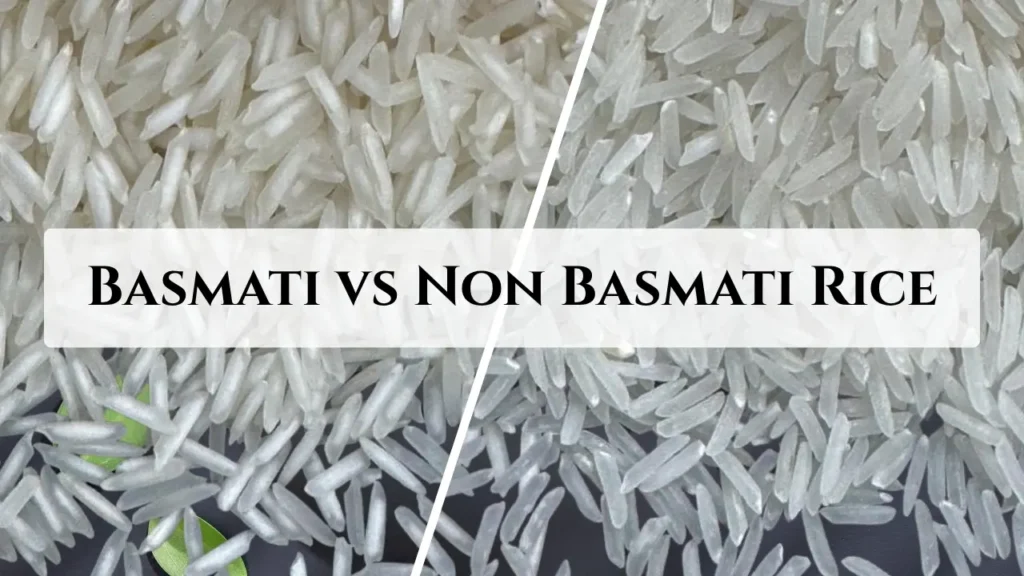
Among all types, Basmati remains India’s most celebrated variety — but choosing between Basmati and other rice varieties depends entirely on your dish and budget. For a detailed comparison, read our complete guide on Basmati and Non Basmati Rice Key Differences.
FAQs
Q1: How many types of rice are there in the world?
Ans: Researchers estimate that more than 40,000 cultivated rice varieties exist worldwide. While many are grown only in specific regions, they are generally classified by subspecies, grain size, color, aroma, and processing method.
Q2: What is the difference between Indica and Japonica rice?
Ans: Indica rice typically has long grains and a fluffy texture after cooking, while Japonica rice is shorter, softer, and naturally stickier. These differences are largely influenced by their starch composition and growing environments.
Q3: Which type of rice is considered the most nutritious?
Ans: There is no single “most nutritious” rice variety, but brown rice, black rice, and red rice are often valued because they retain more natural nutrients and beneficial plant compounds than highly milled rice.
Q4: Why is Basmati rice naturally aromatic?
Ans: Basmati rice contains a naturally occurring compound called 2-acetyl-1-pyrroline, which gives it its distinctive nutty and floral fragrance. Aging can further enhance this aroma.
Q5: What makes rice sticky or fluffy after cooking?
Ans: The balance between amylose and amylopectin determines rice texture. Varieties with higher amylose content tend to be fluffy, while those rich in amylopectin become softer and stickier.
Q6: Is glutinous rice gluten-free?
Ans: Yes. Despite its name, glutinous rice contains no gluten. The term “glutinous” refers to its sticky texture after cooking rather than the presence of gluten protein.
Q7: What is the difference between brown rice and white rice?
Ans: Brown rice retains the bran layer and germ, giving it a nuttier flavor and higher fiber content. White rice undergoes further milling, resulting in a softer texture and longer shelf life.