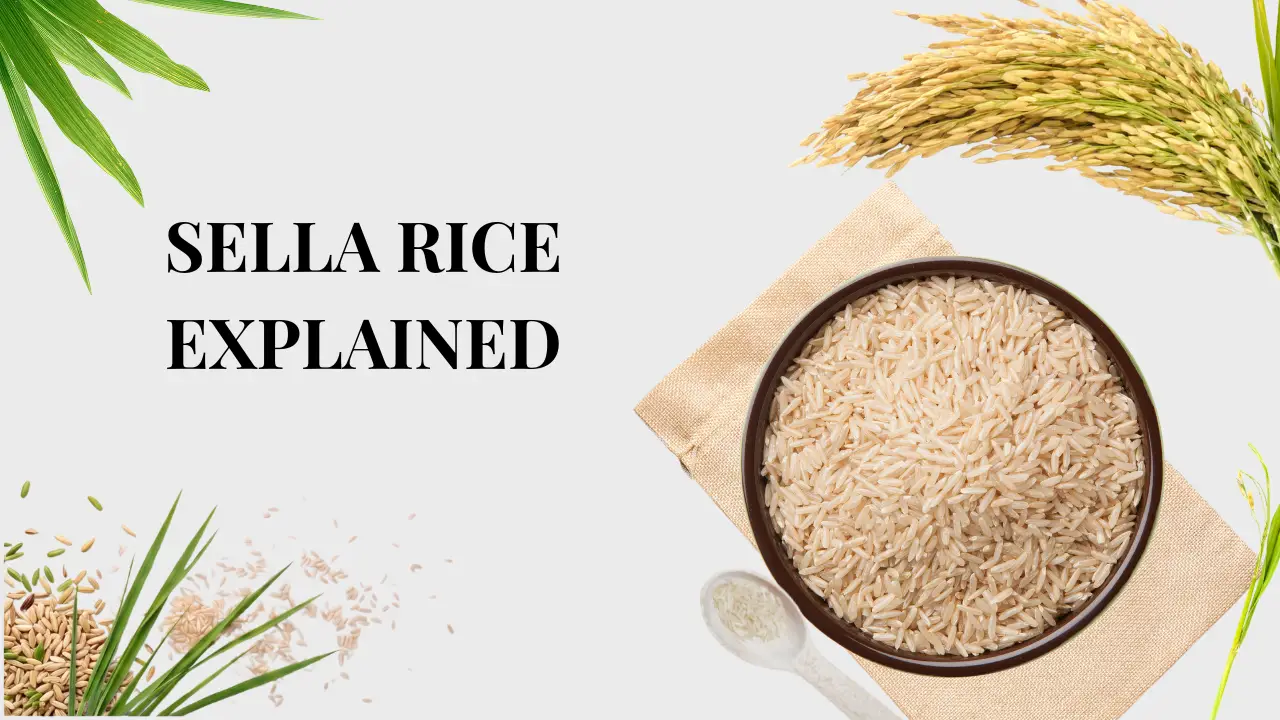
Sella rice is a type of parboiled rice made through a special processing method before milling. The raw paddy is soaked, steamed, and then dried before it goes through the milling process. This gives the rice grains a slightly golden or amber tint and makes them firmer compared to regular raw rice.
Sella basmati rice is one of the most popular forms of this rice, known for its long grains and distinct aroma. Basmati sella rice holds its shape well during cooking, which makes it a preferred choice for dishes that need separate, non-sticky grains.
Sella rice is not limited to basmati varieties. It is also made from non-basmati rice and used widely across households and food businesses. Because of its unique processing, sella basmati is often chosen for bulk cooking, catering, and export purposes where consistent grain quality matters.
This makes sella rice a practical option for both everyday meals and large-scale food preparation.
Types of Sella Rice
Golden Sella Rice
Golden Sella is one of the most popular varieties in the export market. Its light golden colour and long grains make it a preferred choice for wholesalers, food service businesses, and international buyers. It is widely used in dishes where appearance and grain separation are important.
White Sella Rice
White Sella has a brighter appearance while offering the same firm grain structure that buyers expect from parboiled rice. It is commonly selected for retail packaging, restaurants, and everyday cooking because of its clean look and consistent quality.
Creamy Sella Rice
Creamy Sella is recognised for its natural cream-coloured grains and premium appearance. It is preferred in several international markets where buyers value uniform quality and an attractive finish. If you’re comparing this variety with other options before making a purchase, you can explore our detailed Sella Rice vs Creamy Rice guide for a complete comparison.
Popular Basmati Varieties
Sella rice is available in several basmati varieties, including 1121, 1509, 1718, and 1401. Each variety differs in grain length, appearance, and market preference, allowing importers and distributors to choose the most suitable option based on customer demand and intended use.
Benefits and Common Uses of Sella Rice
Key Benefits
Sella rice is widely preferred because it offers a combination of quality, consistency, and reliable cooking performance. These characteristics make it suitable for both domestic and international markets.
Some of its key benefits include:
- Long, well-shaped grains with an appealing appearance.
- Firm grain structure that helps reduce breakage during handling and cooking.
- Good grain separation after cooking when prepared correctly.
- Consistent quality suitable for bulk supply.
- Better shelf stability when stored under appropriate conditions.
- Available in multiple varieties to meet different market preferences.
Common Uses
Sella rice is used across a wide range of food businesses. Restaurants and hotels often choose it for biryanis, pulao, and other rice-based dishes where grain appearance matters. It is also supplied to catering companies, food processors, wholesalers, and retail brands.
In international trade, sella rice remains a popular choice among importers because it is available in different grades and packaging options, making it suitable for various commercial requirements.
How Sella Rice is Different from Raw and Steam Rice
Raw rice is milled directly from paddy without any parboiling. It has a softer texture and can turn sticky if not cooked with the right water ratio. Steam rice goes through a lighter steaming process, which falls somewhere between raw rice and sella rice in terms of firmness.
Sella basmati rice stands apart because of its full parboiling process. This makes the grains harder and less likely to break during cooking or handling. The color also sets it apart. Raw rice is usually white or translucent, while sella rice has a golden or amber tint depending on the type.
In terms of cooking, sella rice takes slightly longer to cook than raw rice but holds its shape better. Steam rice cooks faster than sella rice but is not as firm. This difference in texture and cooking behavior is why sella rice is often chosen for dishes where grain separation matters more than quick cooking time.
How to Identify Good Quality Sella Rice
Choosing high-quality sella rice is important for ensuring consistent cooking results and meeting customer expectations. Whether you are purchasing for retail, food service, or export, a few basic quality checks can help you make a better decision.
When evaluating sella rice, consider the following factors:
- Grain length: The grains should be long, uniform, and well-shaped.
- Colour consistency: The rice should have an even colour based on its variety, whether Golden, White, or Creamy Sella.
- Broken grains: A lower percentage of broken grains generally indicates better quality.
- Moisture level: Proper moisture helps maintain shelf life and grain condition during storage and transportation.
- Cleanliness: The rice should be free from stones, dust, and other foreign matter.
- Packaging: Strong, food-grade packaging helps protect the rice during handling and shipping.
- Supplier credibility: Choose suppliers who follow recognised quality standards and provide clear product specifications.
Reviewing these factors before placing an order can help buyers select rice that matches their quality requirements and business needs.
How to Store Sella Rice
Store sella rice in a cool, dry place away from direct sunlight and moisture. An airtight container works best to keep out humidity and pests.
Avoid storing rice near strong-smelling items, as rice can absorb odors over time. If buying in bulk, check the packaging for any signs of dampness or damage before storage.
Sella rice generally stores well for a long period due to its lower moisture content after parboiling. Even so, using it within a reasonable time frame helps maintain its texture and cooking quality.
What to Check Before Placing a Bulk Order
Selecting the right sella rice involves more than comparing prices. Bulk buyers should evaluate product quality, supplier capabilities, and export requirements to ensure a smooth purchasing process.
Before placing an order, consider the following points:
- Choose the right variety: Select the variety based on your target market and customer preferences.
- Packaging options: Confirm the available packaging sizes and materials for storage and transportation.
- Quality specifications: Review details such as grain length, moisture level, purity, and broken grain percentage.
- Product samples: Request samples to verify the quality before confirming a large order.
- Export documentation: Ensure the supplier can provide the necessary documents required for international shipments.
- Supply capacity: Check whether the supplier can fulfil your required order volume within the agreed timeline.
- Communication and support: A reliable supplier should provide clear information and timely updates throughout the order process.
Carefully reviewing these factors can help businesses make informed purchasing decisions and build long-term supply relationships.
FAQ
Q1: What is sella rice?
Ans: Sella rice is a type of parboiled rice processed before milling. This method strengthens the grains, improves their cooking performance, and makes them suitable for domestic use and international trade.
Q2: What is the difference between sella rice and normal rice?
Ans: Sella rice is parboiled before milling, while normal white rice is not. As a result, sella rice has firmer grains and better grain separation after cooking.
Q3: What is special about sella basmati rice?
Ans: Sella basmati rice combines the long grains of basmati with the strength of parboiled rice. It is widely preferred for its consistent quality, appearance, and reliable cooking performance.
Q4: What is sella rice used for?
Ans: Sella rice is commonly used in biryani, pulao, restaurants, hotels, catering services, retail packaging, and food processing. It is also widely supplied to international importers and wholesalers.
Q5: Are basmati and sella the same?
Ans: No. Basmati is a rice variety, while sella refers to the parboiling process. Basmati rice can be processed into sella, creating products known as sella basmati rice.
Q6: Is sella rice better than white rice?
Ans: It depends on the intended use. Sella rice is preferred for firmer grains and better grain separation, while white rice is commonly chosen for its softer texture and quicker cooking.