
Rice Export to Germany from India
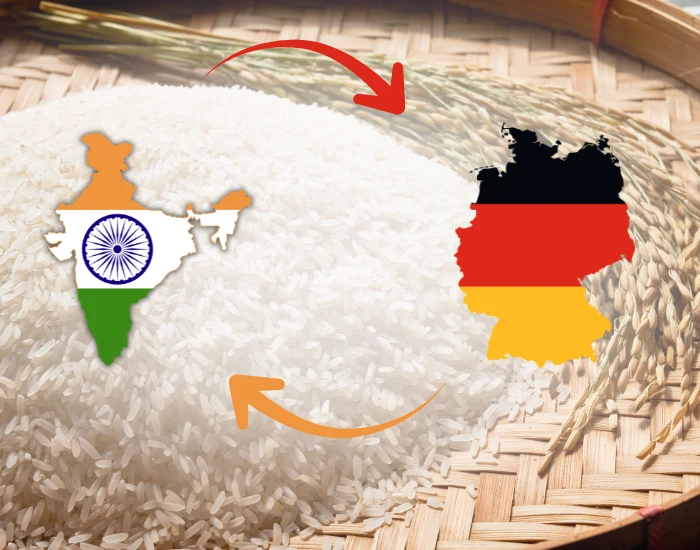
JMB Agro Foods (Jai Maa Bala Sundri Agro Products) has been milling and exporting rice from its facility in Taraori, Karnal, Haryana since 1998. Every batch that leaves the plant goes through the company’s own in-house testing laboratory, where grain length, aroma, and purity are checked before packing begins, not after a buyer raises a complaint. This matters more for Germany than for most destinations, since German importers and retailers work under some of the strictest food safety checks in Europe and expect full documentation before a container is even booked. With a milling capacity of 250 MT per day and rice already moving to more than 25 countries, JMB Agro Foods is set up to handle recurring container orders for the German basmati and non-basmati rice trade, not just one-off test shipments.
27 yrs
in The Rice Trade
250 MT
Milling Capacity / day
25+
Countries Served
500+
Clients Worldwide
Rice Import Compliance for Germany
EU Pesticide Residue Limits (MRL)
The EU sets Maximum Residue Limits (MRLs) for pesticides under Regulation (EC) No 396/2005. Where no specific limit has been fixed for a pesticide on rice, a default limit of 0.01 mg/kg applies, which is far stricter than the limits used in many other importing countries. Rice consignments from India have also been placed under periodic increased official controls at EU border posts under Regulation (EU) 2019/1793, with the testing frequency for pesticide residues revised from time to time.
Documentation for Customs Clearance
- Certificate of Inspection issued by India’s Export Inspection Council or an Export Inspection Agency, confirming MRL compliance (mandatory for basmati and non-basmati rice exports to the EU since 2018)
- Phytosanitary certificate for the consignment.
- Certificate of Origin.
- Commercial invoice and packing list matching the actual batch.
Our Certifications




Popular Rice Varieties in the German Market
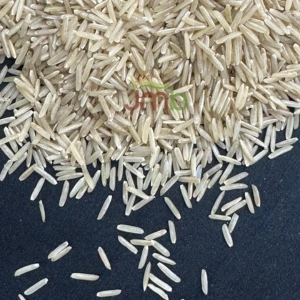
1509 Basmati
Shorter cooking time, cost-effective alternative to 1121 with similar aroma profile.
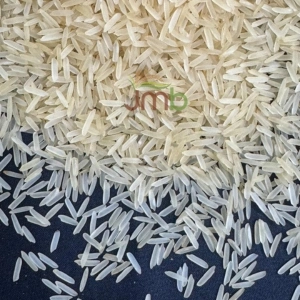
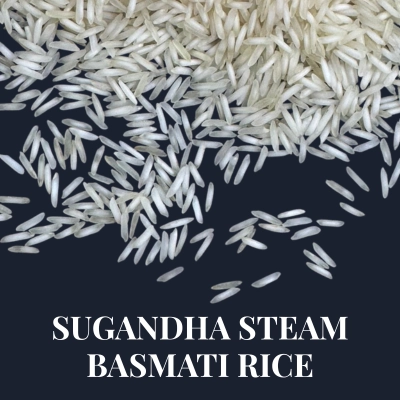
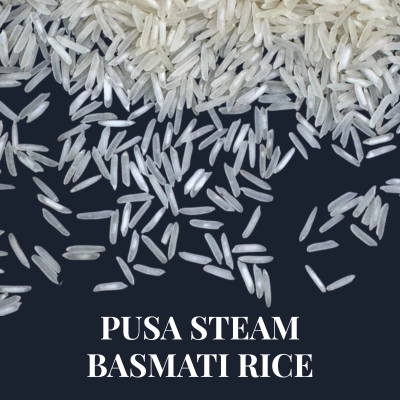
We also supply Non-Basmati and Pesticide Residue Free rice for buyers in Germany sourcing for institutional, catering, or budget retail segments, though basmati remains the primary demand driver in this market.
Packaging and Shipping Details
Packaging
JMB Agro Foods packs rice from 500g retail pouches up to 50kg bulk bags, based on what the buyer needs. Retail chains and supermarkets in Germany typically order 1kg to 5kg consumer packs, while foodservice distributors and wholesalers order 20kg to 50kg bags. Private label packaging is available for buyers who want to sell rice under their own brand name.
Shipping and Logistics
The minimum order quantity starts at 20 to 21 MT, which is one full container load (FCL). Shipments move by sea from Indian ports to European ports, with onward transport to German warehouses arranged by the buyer or the buyer’s freight forwarder.
FAQs
Q1: Does JMB Agro Foods export rice directly to Germany?
Ans: Yes. JMB Agro Foods exports basmati and non-basmati rice to Germany and other EU countries, in line with EU pesticide residue limits and documentation requirements.
Q2: What is the minimum order quantity for a German buyer?
Ans: Orders start at 20 to 21 MT, which is one full container load. Smaller trial quantities can be discussed separately with the buyer.
Q3: Is every batch tested before it is shipped?
Ans: Yes. Every batch goes through JMB Agro Foods’ in-house testing laboratory for grain length, aroma, and purity, along with pesticide residue testing, before it is packed for export.
Get a Quote for Rice Export to Germany
Buyers looking for basmati or non-basmati rice export to Germany can contact JMB Agro Foods directly to discuss variety selection, packaging, container quantities, and shipment documentation for their order.