
Sharbati Rice: Value Rice for Everyday Excellence
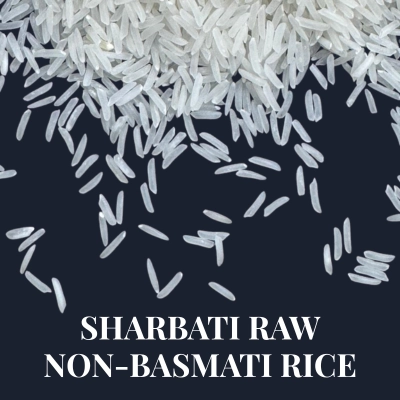
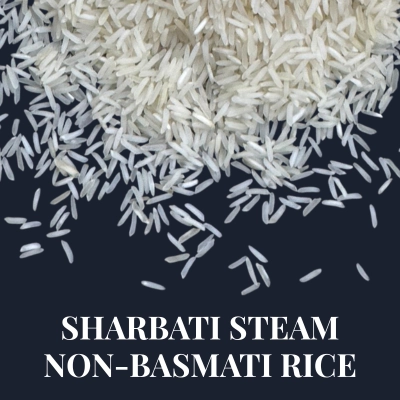
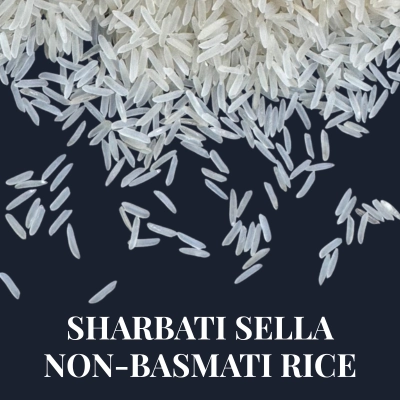
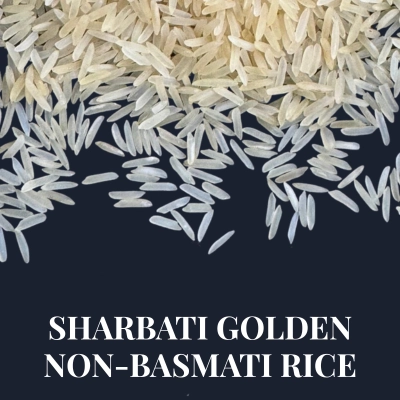
Combining soft texture with consistent grain quality, sharbati rice is a popular non-basmati rice variety preferred for everyday meals and large-scale food service. Available in Raw and Steam grades, it offers reliable cooking performance and flexible packaging options for domestic and international markets.
Sharbati Rice Specifications
| Grade | Moisture % | Broken % | Avg. Length (mm) | Color |
|---|---|---|---|---|
| Raw | Under 13% | Under 1-2% | 7.00 | Bright white |
| Steam | Under 13% | Under 1-3% | 6.90 | Off-white |
| Sella | Under 13% | Under 1-3% | 6.90 | Creamy white |
| Golden Sella | Under 12.5% | Under 1-3% | 7.10 | Dark Golden |
Export Capability
International buyers can source sharbati rice with tailored packaging options, private labeling, and dependable logistics support. Each order is prepared according to buyer specifications, ensuring consistent quality throughout the export process.
MOQ
21 MT
Packaging
1 kg - 50 kg bags
Port
Any
HS Code
1006
Certifications







Why Choose JMB Agro Foods
01
50+ Years of experience in basmati rice export.
02
In-house processing and quality control.
03
Serving buyers across multiple countries.
04
Custom packaging and private labeling available.
FAQs
Q1: What is Sharbati Rice?
Ans: Sharbati Rice is a popular non-basmati rice variety known for its soft texture, medium-long grains, and excellent cooking quality for everyday meals and bulk use.
Q2: Is Sharbati Rice a Basmati Rice?
Ans: No. Sharbati Rice is a non-basmati rice variety. Although it shares some visual similarities with basmati, it differs in aroma, grain characteristics, and cooking properties.
Q3: What is the difference between Basmati Rice and Sharbati Rice?
Ans: Basmati Rice is aromatic with extra-long grains, while Sharbati Rice is a non-basmati variety known for its soft texture, mild aroma, and everyday affordability.
Q4: Is Sharbati Rice good?
Ans: Yes. Sharbati Rice is widely appreciated for its consistent grain quality, soft cooked texture, and versatility, making it suitable for households and food service applications.
Q5: Which rice is lowest in sugar?
Ans: Rice naturally contains very little sugar. The main nutritional difference between rice varieties is their starch and carbohydrate composition rather than sugar content.
Q6: Which rice is better than Basmati?
Ans: There is no universally better rice variety. The ideal choice depends on texture, aroma, cooking preferences, intended use, and individual buyer or consumer requirements.