
Traditional Basmati Rice: Authentic Heritage Rice from India
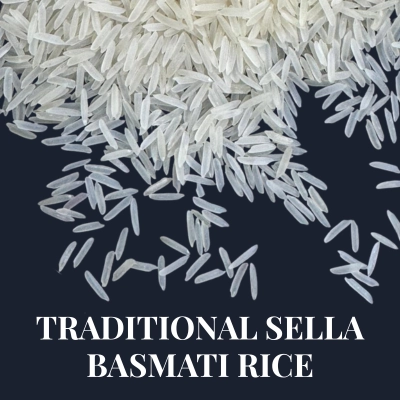
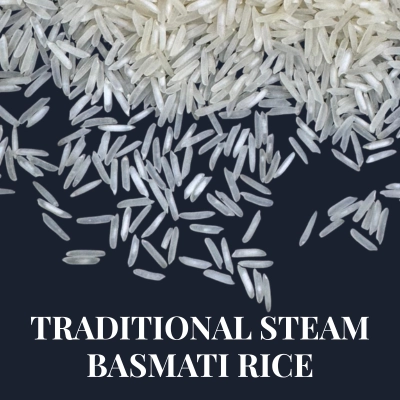
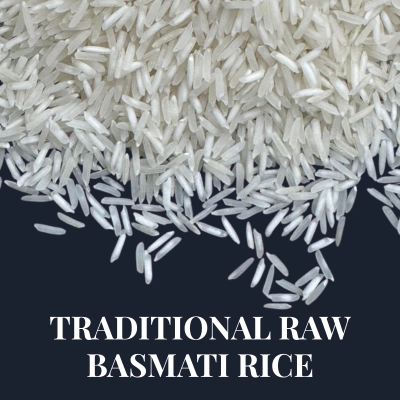
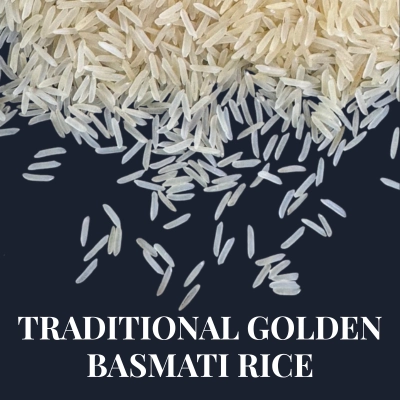
Traditional basmati rice is a naturally aromatic rice variety cherished for its slender grains, rich aroma, and authentic cooking characteristics. Cultivated in the traditional basmati-growing regions of northern India, traditional basmati rice from India is supplied in Raw, Steam, Sella, and Golden Sella grades to meet the requirements of importers, wholesalers, and international food businesses.
Traditional Basmati Rice Specifications
| Grade | Moisture % | Broken % | Avg. Length (mm) | Color |
|---|---|---|---|---|
| Raw | Under 12.5% | Under 1% | 7.20 | White |
| Steam | Under 13% | Under 2% | 7.20 | Off-white |
| Sella | Under 13% | Under 1% | 7.20 | Creamy white |
| Golden Sella | Under 13% | Under 1% | 7.20 | Golden yellow |
Export Capability
JMB Agro Foods delivers reliable bulk supplies of traditional basmati rice to importers, wholesalers, distributors, and private label brands across global markets. Every order is processed under strict quality standards and supported with flexible packaging options, export documentation, and efficient shipment coordination to meet diverse buyer requirements.
MOQ
21 MT
Packaging
1 kg -50 kg bags
Port
Any
HS Code
1006
Certifications








Why Choose JMB Agro Foods
01
50+ Years of experience in basmati rice export.
02
In-house processing and quality control.
03
Serving buyers across multiple countries.
04
Custom packaging and private labeling available.
FAQs
Q1: What is Traditional Basmati Rice?
Ans: Traditional Basmati Rice is an aromatic long-grain rice variety traditionally grown in northern India, valued for its distinctive aroma, slender grains, and authentic cooking characteristics.
Q2: Which is the original Basmati Rice?
Ans: Traditional Basmati Rice is widely recognized as the original basmati type, known for its natural aroma, long grains, and cultivation in the traditional basmati-growing regions.
Q3: How to identify real Basmati Rice?
Ans: Real Basmati Rice is identified by its long slender grains, natural aroma, grain elongation after cooking, and consistent quality from trusted suppliers and exporters.
Q4: Which Basmati Rice is best in quality?
Ans: The best-quality Basmati Rice depends on buyer preferences, grain length, aroma, cooking performance, and intended use. Different varieties are suitable for different markets.
Q5: Where is Traditional Basmati Rice grown?
Ans: Traditional Basmati Rice is mainly grown in the fertile plains of northern India, particularly in Haryana, Punjab, Uttarakhand, Uttar Pradesh, Himachal Pradesh, and Jammu.
Q6: Which rice is lowest in carbs?
Ans: Rice varieties have similar carbohydrate content, but portion size and preparation influence overall carbohydrate intake. Basmati Rice is often preferred for its texture and balanced cooking characteristics.