
Rice Export to Saudi Arabia from India – JMB Agro Foods
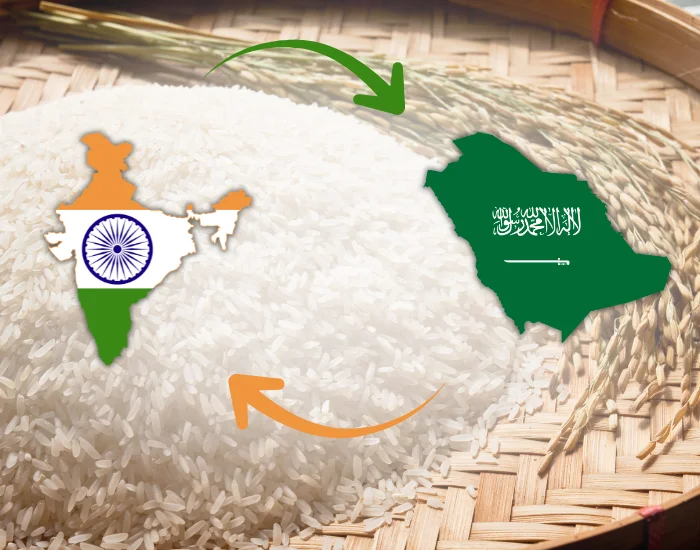
Saudi Arabia is one of the largest buyers of Indian basmati rice in the world, and every shipment that enters the Kingdom goes through strict quality and food safety checks before it reaches a distributor’s warehouse. JMB Agro Foods (Jai Maa Bala Sundri Agro Products) has been milling and exporting rice from Taraori, Karnal, Haryana since 1998. What sets our export process apart is not just the certifications on paper, but the fact that every batch leaving our facility is tested in our own in-house laboratory for grain length, aroma, and purity before it is packed. We don’t outsource this check to a third party and then hope for the best at the port. We test first, then export.
With a 250 MT/day milling capacity and 27 years in the rice trade, we currently supply to 25+ countries and work with 500+ clients. For Saudi Arabia specifically, buyers expect long-grain aromatic basmati that holds up well during the steam-heavy cooking used in dishes like kabsa, mandi, and zurbian. That is exactly the kind of rice our Karnal facility is built to produce and test at scale.
27 yrs
in The Rice Trade
250 MT
Milling Capacity / day
25+
Countries Served
500+
Clients Worldwide
Rice Import Compliance for Saudi Arabia
SFDA and SABER Requirements
Food imports into Saudi Arabia are regulated by the Saudi Food and Drug Authority (SFDA). Products need to be registered on the SFDA’s Ghad platform, and shipments are verified for conformity through the SABER system before they clear customs. This applies to basmati and non-basmati rice alike, regardless of the exporter. JMB Agro Foods prepares shipment documentation in line with these requirements, and our lab reports are used to support the conformity checks Saudi buyers and their customs agents ask for.
Halal Certification
Rice itself is a plant-based product, but Saudi buyers and SFDA guidelines still expect halal assurance for the processing and packaging environment, since cross-contamination risk during milling and storage is checked as part of food safety compliance. JMB Agro Foods holds HALAL certification alongside ISO 9001, ISO 22000, HACCP, GMP, KOSHER, FSSAI, and APEDA registration.
Our Certifications



Popular Rice Varieties in the Saudi Market
Basmati rice dominates Saudi demand, and Golden Sella and steamed basmati are commonly preferred because they cook up separate and firm, which suits kabsa, mandi, and biryani-style preparations. From our range, the varieties most relevant to Saudi buyers are:
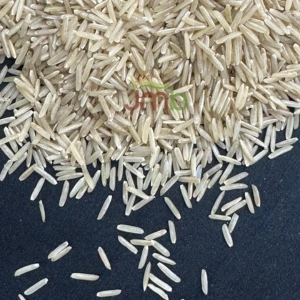
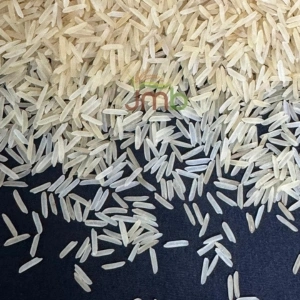
1509 Basmati
Shorter cooking time, cost-effective alternative to 1121 with similar aroma profile.
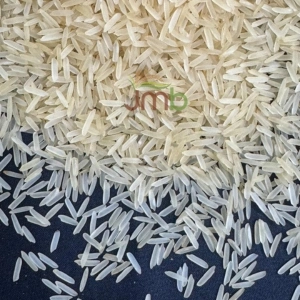
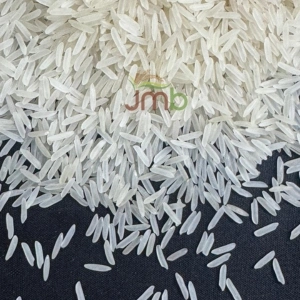
We also supply Non-Basmati and Pesticide Residue Free rice for buyers in Saudi Arabia sourcing for institutional, catering, or budget retail segments, though basmati remains the primary demand driver in this market.
Packaging and Shipping Details
Packaging
We pack rice from 500g retail pouches up to 50kg bulk bags, and packaging is adjusted to what the buyer’s market and retail format needs. Export cartons and bags are labeled as per the specification shared by the buyer at the time of order.
Shipping and MOQ
Minimum order quantity starts at 20-21 MT, which is one container load. Shipments are prepared and dispatched from our Taraori, Karnal facility, with documentation and lab reports ready before the container is sealed, so there are no last-minute delays on the compliance side once the shipment reaches the port.
FAQs
Q1: Is JMB Agro Foods certified to export rice to Saudi Arabia?
Ans: Yes. We hold ISO 9001, ISO 22000, HACCP, GMP, HALAL, KOSHER, FSSAI, and APEDA certifications, and we prepare shipment documentation in line with SFDA and SABER requirements for the Saudi market.
Q2: Which basmati variety is best for kabsa and mandi?
Ans: 1121 and 1509 Golden Sella or steamed basmati are the most commonly used varieties for these dishes, since they hold their shape and don’t turn sticky after steaming.
Q3: How is quality checked before a shipment leaves your facility?
Ans: Every batch is tested in our in-house laboratory for grain length, aroma, and purity before packing. This is done for every order, not on a sample basis.
Q4: What is the minimum order quantity for Saudi Arabia?
Ans: 20-21 MT, which is one container load. Packaging can range from 500g pouches to 50kg bags depending on your requirement.
Q5: Do you provide Halal certification with each shipment?
Ans: Yes, our HALAL certification covers our processing and packaging, and relevant documentation is shared with the shipment paperwork.
Q6: What documents will I receive with my order?
Ans: Certificate of Origin, Phytosanitary Certificate, Health/Quality Certificate, Fumigation Certificate, Commercial Invoice, Packing List, and our in-house lab test report for that specific batch.
Get a Quote for Rice Export to Saudi Arabia
If you’re sourcing basmati or non-basmati rice for the Saudi market, get in touch with JMB Agro Foods for current pricing, sample availability, and lab test reports for the variety you need. Our team can walk you through the documentation and compliance process for your first order.