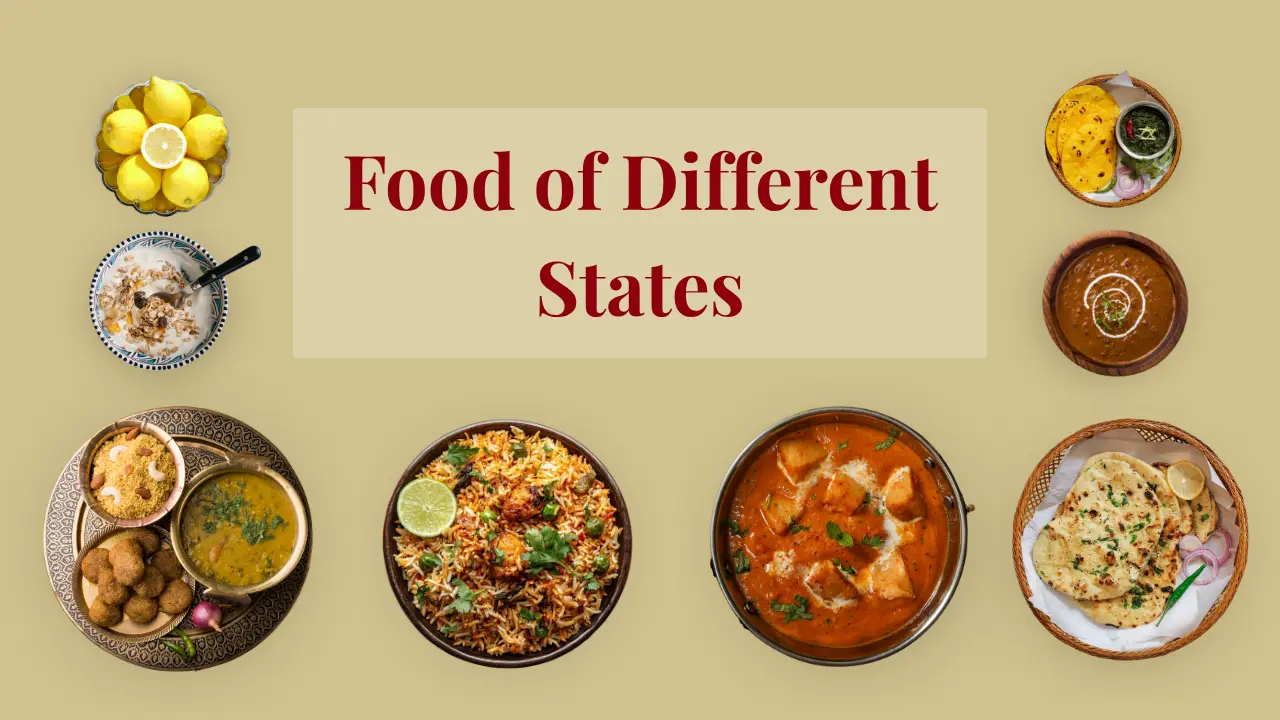
India’s food changes every few hundred kilometers. A dish that is common in Punjab may be unfamiliar in Kerala. This variety comes from different spices, cooking styles, and local ingredients used across the country. The food of different states reflects centuries of local farming, climate, and tradition. Rice, wheat, lentils, and vegetables take different forms depending on where you are. This blog covers popular dishes from the north, south, east, and west, and looks at what makes each region’s cooking distinct.
Why Every State’s Food is Different
Climate and geography shape what grows in each region, and that decides what ends up on the plate. Coastal states grow more rice due to higher rainfall, while drier northern and central regions rely more on wheat and millets. Agriculture history plays a role too. States along river plains developed rice-based diets early on, while arid regions built their food around grains that store well. Trade routes and invasions also left their mark. Spices, cooking techniques, and ingredients moved between regions over centuries, shaping the food of Indian states into what it is today.
Famous Food of North India
North India is known for its rich gravies, tandoor-cooked breads, and wheat-based meals built around dairy and warming spices. Cumin, garam masala, and Kashmiri chili are common across most kitchens here.
Punjab
Sarson da saag and makki di roti are winter staples, paired with a knob of butter. Punjab is also home to butter chicken, chole bhature, and lassi, dishes that have become popular well beyond the state.
Rajasthan
Dal baati churma is Rajasthan’s signature dish, built to survive the desert climate. The baked wheat dough, dipped in ghee and served with lentils, was designed to last without refrigeration, a practical response to the region’s scarce water and fresh produce.
Uttar Pradesh
Tunday kebab and Awadhi biryani carry Lucknow’s Mughlai influence, with slow-cooked meats and layered rice dishes shaped by the old royal kitchens of the region.
Jammu and Kashmir
Rogan josh, a slow-cooked lamb curry stained red with Kashmiri chili, is central to the elaborate Kashmiri wazwan feast served at weddings and celebrations.
Tandoors, dairy, and wheat tie these dishes together, making them some of the famous food of different states in India.
Famous Food of South India
South Indian cooking leans on rice, lentils, coconut, and curry leaves, with fermentation giving the region’s breakfasts their light, tangy character. Tamarind and coconut oil show up across most kitchens here.
Tamil Nadu
Dosa, made from fermented rice and lentil batter, is served with sambar and coconut chutney. Chettinad cuisine, known for its bold spice blends, adds a sharper, more intense flavor to the state’s food.
Kerala
Appam paired with a mild coconut-milk stew reflects Kerala’s coastal cooking style, where coconut plays a central role in nearly every dish.
Karnataka
Bisi bele bath combines rice, lentils, and vegetables into one spiced, comforting meal, a staple in most Karnataka households.
Andhra Pradesh and Telangana
Hyderabadi biryani, cooked with fragrant rice and marinated meat, is one of the most recognized dishes of Indian states. Andhra’s pulihora, a tangy tamarind rice, adds another rice-based favorite to the list.
Famous Food of East & Northeast India
East India’s food centers on rice, fish, and mustard, with spices used more sparingly than in other regions. The northeast brings its own distinct flavors, shaped by Tibetan and local tribal influences.
West Bengal
Macher jhol, a light fish curry, is eaten with rice almost daily. Rasgulla, a soft chenna sweet soaked in syrup, is one of Bengal’s best-known desserts.
Odisha
Pakhala, fermented rice soaked in water, is a summer staple that helps cool the body in the heat.
Assam
Masor tenga, a sour fish curry made with tomatoes and local herbs, reflects the state’s preference for mild, tangy flavors over heavy spice.
Sikkim
Momos and thukpa, both influenced by Tibetan cooking, are everyday comfort food here.
These dishes are part of the traditional food of Indian states that rarely gets attention outside the region.
Famous Food of West India
West India brings together street food energy, vegetarian variety, and coastal seafood, three very different food cultures within one region.
Maharashtra
Misal pav, a spicy sprouted-bean curry served with bread, and vada pav, Mumbai’s answer to a quick snack, define the state’s street food scene. Both are cheap, fast, and eaten at any time of day.
Gujarat
Dhokla, a steamed and fermented chickpea batter dish, and undhiyu, a mixed vegetable preparation made mostly in winter, represent Gujarat’s largely vegetarian kitchen.
Goa
Goan fish curry, made with coconut and tamarind, shows the Portuguese influence still present in the state’s cooking, a legacy of centuries of colonial rule.
Rice: The Common Thread Across States
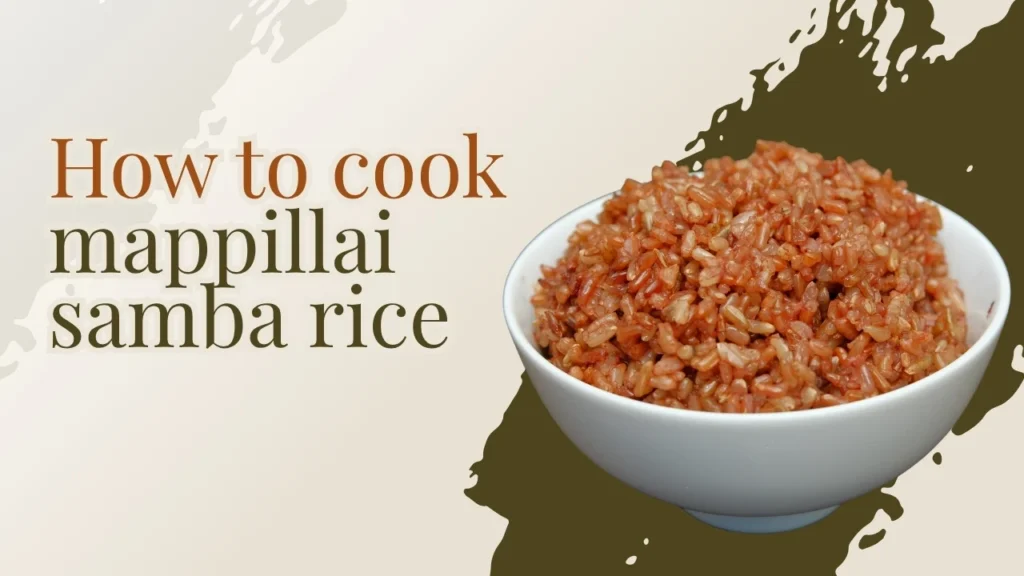
One ingredient ties much of this food together: rice. It shows up in different forms across the country, from biryani and pulao in the north to dosa, appam, and curd rice in the south, and khichdi and pakhala further east. The rice itself changes by region too. North Indian kitchens often use basmati rice for biryani and pulao, where each grain needs to stay long, separate, and fragrant.
South Indian states rely more on sona masuri and ponni rice, along with parboiled rice for idli and dosa batter, since these varieties ferment and soften well. In the east, shorter local rice varieties like gobindobhog are used for lighter, everyday meals such as khichdi and pakhala. This is what makes the food of different states so varied, yet quietly connected through different foods of different states of India built around the same grain.
FAQs
Q1: What are 10 states in India and their famous food?
Ans: Punjab (Sarson da Saag), Rajasthan (Dal Baati Churma), Uttar Pradesh (Tunday Kebab), Kerala (Appam), Tamil Nadu (Dosa), Karnataka (Bisi Bele Bath), Telangana (Hyderabadi Biryani), Bengal (Macher Jhol), Odisha (Pakhala), and Maharashtra (Misal Pav).
Q2: Which state is rich in food?
Ans: India has no single state richest in food; every region offers distinct dishes shaped by climate, farming, and tradition, from rice-based to wheat-based meals.