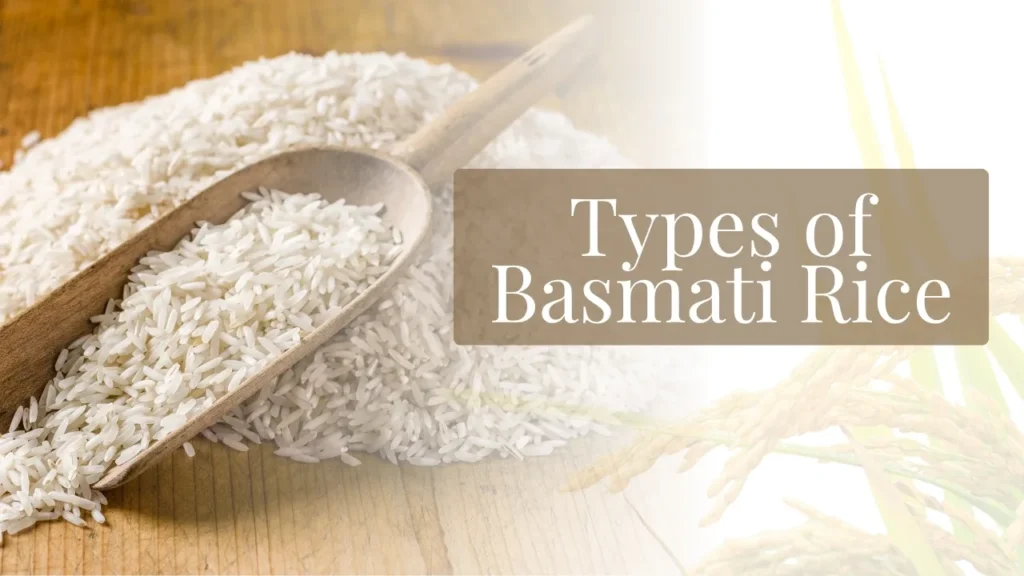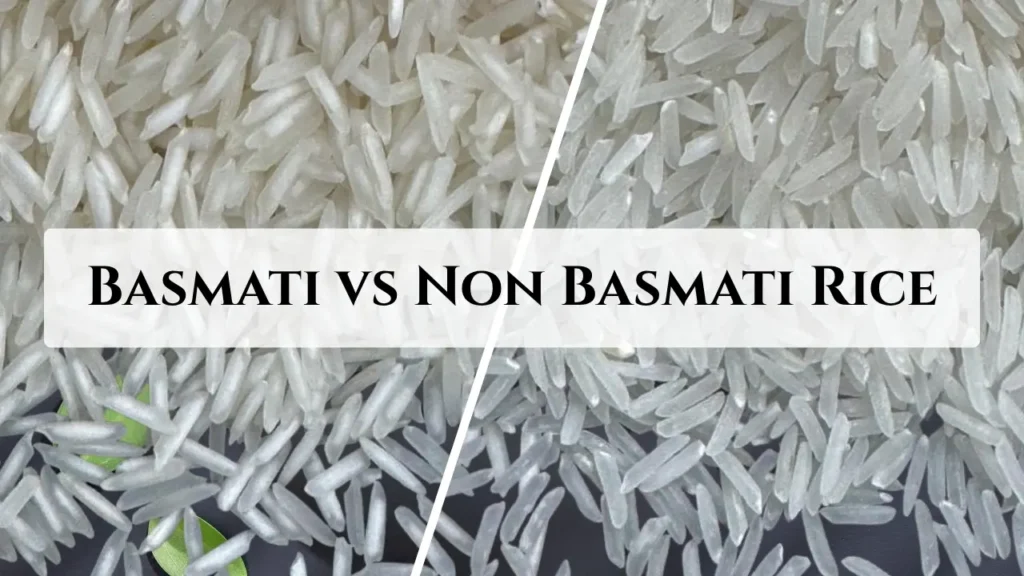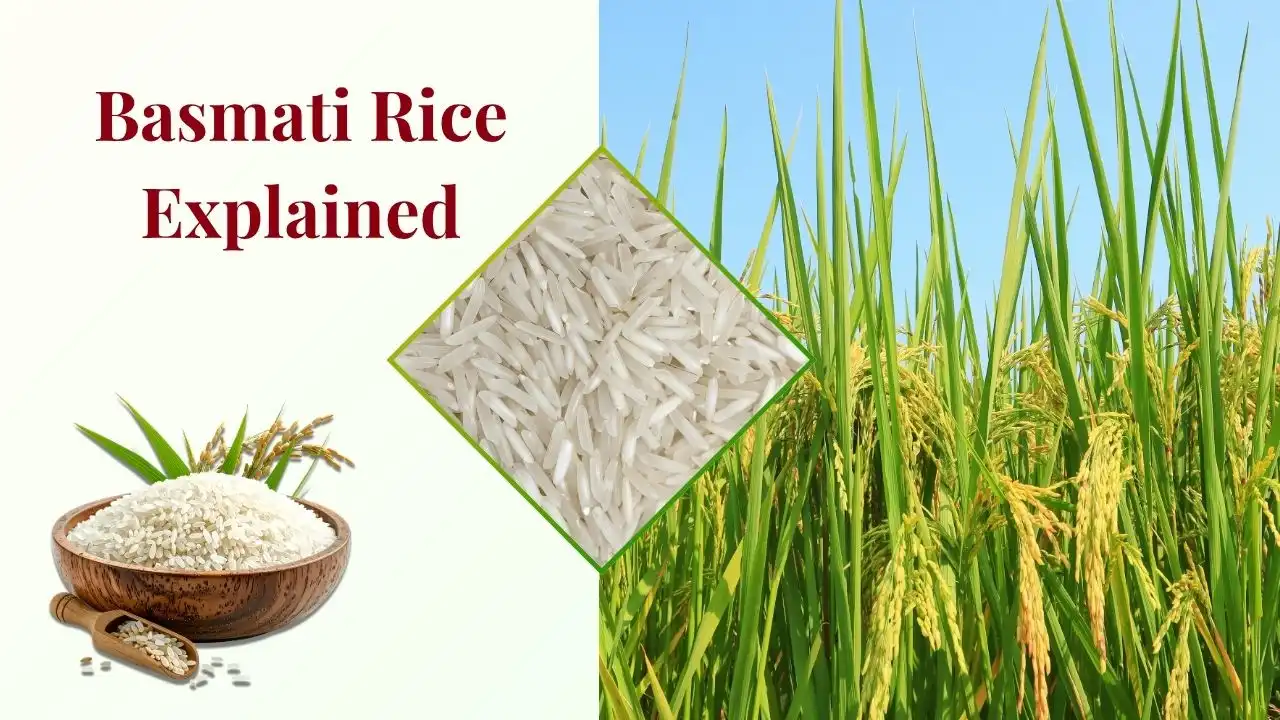
Basmati rice is a long grain, aromatic rice known for its slender shape and distinct fragrance. When cooked, the grains elongate and stay separate instead of sticking together. It is grown mainly in the foothills of the Himalayas, across parts of North India. This rice has been part of Indian cuisine for centuries and is widely used in dishes like biryani and pulao. Its aroma and texture make it easy to identify among other rice types.
Basmati Meaning
The word Basmati comes from Sanskrit, formed from “vas” meaning fragrance and “matup” meaning full of or possessing. Together, the word means “fragrant one.” This name was given because of the rice’s natural aroma, which sets it apart from other rice varieties. The fragrance comes through clearly both before and after cooking, making it one of the easiest ways to identify true Basmati rice.
Basmati Rice Origin
Basmati rice originates from the Indian subcontinent, with its roots tracing back to the region around the Himalayan foothills. It has traditionally been grown in states like Punjab, Haryana, Uttarakhand, and Uttar Pradesh, as well as parts of Jammu and Kashmir. This belt offers the specific soil and climate conditions needed for the rice to develop its signature aroma and grain length. Because of this, true Basmati is geographically limited and cannot be grown just anywhere with the same quality.
Basmati Rice Name
Basmati rice is not sold under just one name. Depending on how it is classified, the same rice can be identified by its variety, its region of cultivation, or the way it is processed and sold in the market. Understanding these naming patterns helps in recognising what a specific basmati rice name actually refers to.
Variety-Based Names
Some basmati rice names come from the specific variety it belongs to, based on how the rice was bred or developed over the years.
- Pusa 1121: known for extra long grain and high elongation on cooking.
- Pusa 1509: an early maturing variety with good grain length.
- Pusa 1718: valued for aroma and consistent grain quality.
- Pusa 1401: an older variety still used in trade.
- Basmati 370: one of the oldest traditional varieties still grown today.
These variety-based names are widely used across the trade to describe the exact type of basmati rice being sold.
Regional and Traditional Names
Some basmati rice names come from the place where the rice has traditionally been grown. These names have been used for generations and are often linked to a specific region’s soil and climate.
- Dehraduni Basmati: grown around Dehradun, known for its strong aroma.
- Taraori Basmati: associated with the Taraori region in Haryana.
- Kasturi Basmati: a traditional variety grown in parts of North India.
- Ranbir Basmati: cultivated in the Jammu region.
These regional names help identify basmati rice based on its traditional growing area rather than its variety.
Common Market Names
Apart from variety and region, basmati rice is also named based on how it is processed for the market. These names describe the type of milling or treatment the rice has gone through.
- Raw Basmati: unprocessed rice with its natural white or creamy colour.
- Steam Basmati: rice that is steamed before milling, giving it a firmer texture.
- Sella Basmati: parboiled rice with a golden tint before polishing.
- White Sella: sella rice that is polished to a lighter, whiter shade.
These names are commonly used across the trade to describe how the basmati rice has been prepared before packaging.
FAQs
Q1: What is the other name for basmati rice?
Ans: Basmati rice is sometimes called Type 3 rice, especially the Dehraduni variety. It is also referred to as scented rice due to its natural aroma.
Q2: Which rice is called basmati?
Ans: Long grain, aromatic rice grown in the Himalayan foothills region, mainly across Punjab, Haryana, and Uttarakhand, is called basmati rice.
Q3: Is basmati rice a biryani rice?
Ans: Yes, basmati rice is commonly used to make biryani because of its long grain, aroma, and tendency to stay separate after cooking.
Q4: What is Type 3 basmati rice?
Ans: Type 3 basmati rice refers to the traditional Dehraduni variety, known for its strong aroma and long grain length.
Q5: What is Type 3 Dehraduni basmati rice?
Ans: It is a traditional basmati variety grown around Dehradun, also known as Type 3, valued for its distinct fragrance and quality.
Q6: How many types of basmati rice are there?
Ans: Basmati rice includes several types, classified by variety, growing region, and processing method such as raw, steam, and sella.