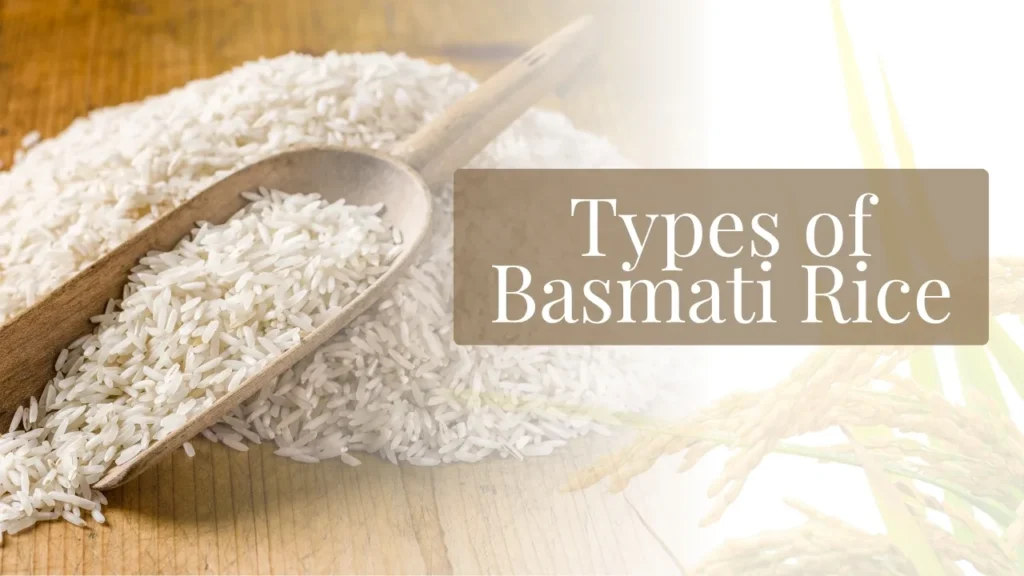
The best rice for biryani depends on how you cook it. Aged raw Basmati is often chosen for its aroma and soft texture. Sella Basmati is often chosen for firm grains and big batches of biryani. Grain quality and cooking steps matter too, from buying the right rice to comparing sella with raw Basmati and getting fluffy, separate grains.
What Type of Rice Is Used in Biryani?
Long grain Basmati is commonly used for biryani. It comes in two main types, raw and sella, and each gives a different result. The difference comes from how the paddy is processed before milling.
Raw (White) Basmati
Raw Basmati is milled without parboiling. FSSAI describes its colour as white to creamy white or grayish. It is often chosen when aroma matters most.
Sella (Parboiled) Basmati
Sella Basmati is soaked, heat treated and dried before milling. Its colour can be creamy white, yellowish, brownish or grayish. The firm grains suit big batches and stay separate after cooking.
Best Basmati Rice for Biryani: What to Check Before You Buy
Good biryani starts with the right bag of rice. Check grain shape, broken grains, moisture and purity before you buy.
Best Long Grain Basmati Rice for Biryani: Grain Length and Shape
The best long grain basmati rice for biryani has long, slender grains that stretch when cooked. FSSAI sets average milled grain length at 6.61 mm and above. If you search for the best long grain rice for biryani, choose Basmati that meets this length. 1121 is a variety, not a grade, so check the grain size on the pack too.
Broken Grains, Moisture and Purity
According to FSSAI, milled Basmati must meet these limits:
| What to Check | FSSAI Standard (Milled Basmati) |
|---|---|
| Average grain length | 6.61 mm and above |
| Length to breadth ratio | 3.5 and above |
| Cooked rice length | 12.0 mm and above |
| Broken and fragments | Not more than 5% |
| Moisture | Not more than 14% |
| Other non-Basmati varieties | Not more than 15% |
Best Sella Rice for Biryani vs Raw Basmati
Looking for the best sella rice for biryani? Sella and raw Basmati both work, but they are not the same. Here is how they differ under FSSAI’s Basmati standard.
Sella vs Raw: Key Differences
Both are Basmati, but the way they are made is different.
| Feature | Raw (White) Basmati | Sella (Parboiled) Basmati |
|---|---|---|
| How it is made | Milled with no soaking or heating | Soaked, heated and dried, then milled |
| Minimum stretch ratio after cooking | 1.7 | 1.5 |
| Chalky grains allowed | Up to 7.0% | Up to 1.0% |
| Colour | White to creamy white or grayish | Creamy white, yellowish, brownish or grayish |
| Often chosen for | Biryani where aroma matters most | Large batches and rice that must hold well |
Parboiled Rice vs White Rice: Colour and Texture
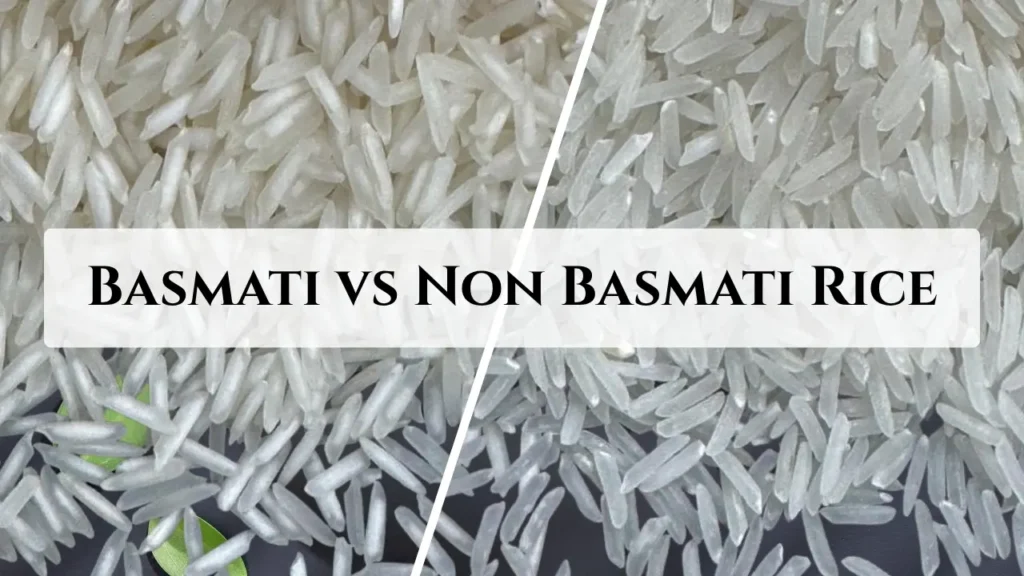
Parboiled rice and white rice look different in the bag. Raw Basmati is white to creamy. Sella is often yellowish or brownish, and FSSAI allows this colour, so it is normal. After cooking, sella grains stay firm and separate. Raw Basmati turns softer. Choose sella for big batches and raw Basmati for aroma.
Which Rice Is Best for Making Biryani?
What Type of Rice Is Best for Biryani?
Choose aged raw Basmati for aroma and soft grains. Choose sella Basmati for firm grains and big batches. Both work well, so pick based on how you cook.
The best rice for Hyderabadi biryani is commonly long grain Basmati, and many big kitchens pick sella because it holds its shape. No official source says that one rice must always be used.
“Biryani rice” is a selling term, not an FSSAI or APEDA rice category. The perfect biryani rice is long and slender, aged, and has very few broken grains. Check the pack for the variety name and for broken grains.
Can I Use Normal Rice for Biryani?
You can, but the result will not be the same. Rice that does not meet FSSAI’s length and stretch limits cannot be sold as Basmati. Its grain shape and texture can differ, so your biryani may look and feel different.
How to Get Fluffy Rice in Biryani?
Fluffy biryani rice has long, separate grains that do not break or turn sticky. Rice age and cooking steps both matter.
Choose Aged Rice
Aged Basmati generally cooks firmer, less sticky and longer than fresh rice. In a 24-month study on Basmati 385 rice, cooked grain length rose from 13.9 mm to 15.5 mm, and grain bursting fell from 11.5% to 2.0%. So aged rice is more likely to stay whole and fluffy.
Cook Without Breaking the Grains
Gentle cooking keeps the grains whole:
- Pick rice with few broken grains, since broken grains turn mushy.
- Follow the soaking time given on the pack.
- Stir gently and as little as possible.
- Do not overcook, because soft grains break easily.
FAQs
Q1: Is sella rice good for biryani?
Ans: Yes. Sella grains stay firm and separate, so it suits large batches. Raw Basmati is often chosen for aroma.
Q2: Is 1121 the best rice for biryani?
Ans: Not always. 1121 is a variety, not a grade. Check grain length, broken grains and purity as well.
Q3: How long should I soak rice for biryani?
Ans: No official soaking time exists for biryani. Follow the pack instructions and test a small batch first.
Conclusion
Raw Basmati suits biryani where aroma matters most, while sella suits large batches and firm grains. Check grain length, broken grains and purity before you buy. Then cook gently and use aged rice for fluffy, separate grains in your biryani.