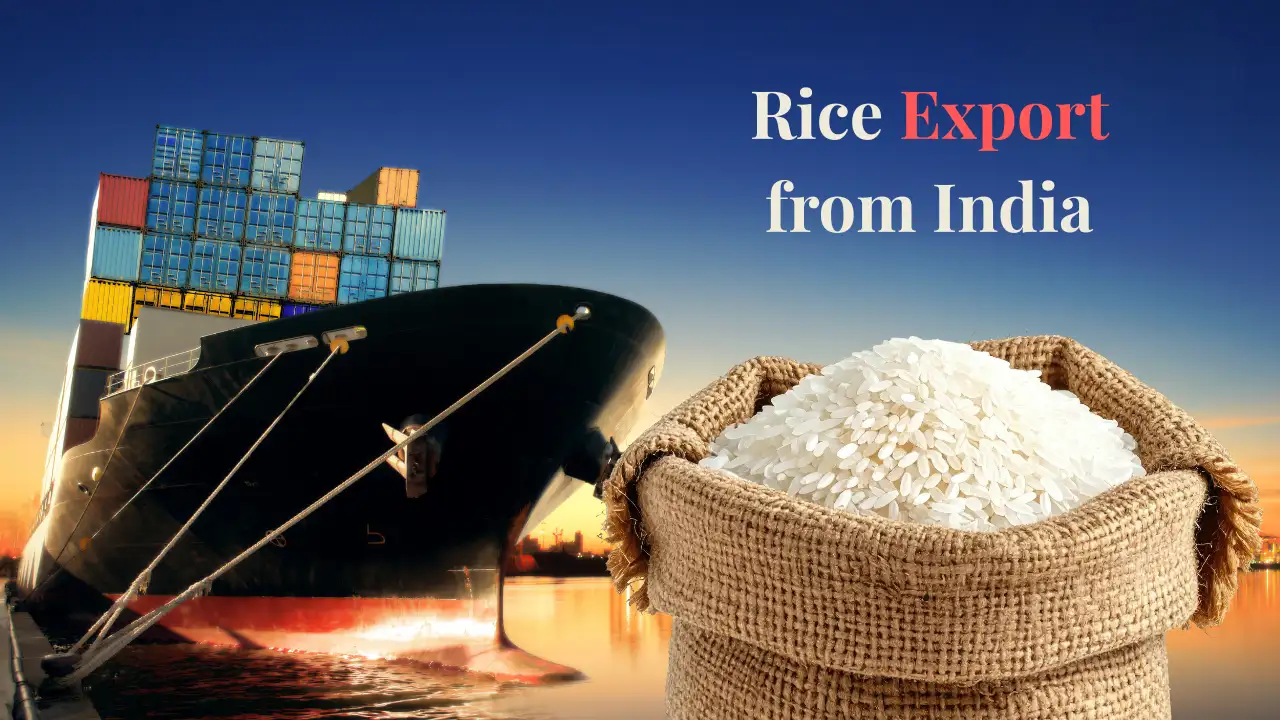
India is the largest exporter of rice in the world, supplying both basmati and non-basmati varieties to countries across the globe. For international buyers, this scale creates opportunity but also raises a key question: how do you pick a trustworthy exporter in such a large market. This article breaks down what matters most when sourcing rice export from India, so you can make an informed decision before placing an order.
Why India Leads Among Rice Exporting Countries
India has held its position among the top rice exporting countries for years, thanks to strong domestic production and a wide network of buyers across continents. It is often ranked as the highest rice exporting country globally, ahead of other major producers. Buyers from the Middle East, Africa, Southeast Asia, and Europe regularly source rice from India. Countries such as Saudi Arabia, UAE, Iran, and several African nations import large volumes of non-basmati rice, while the US, UK, and parts of Europe prefer basmati rice for its aroma and grain quality.
If you are researching where India exports rice to which countries, the answer varies by rice type. Basmati moves mainly to Western and Middle Eastern markets, while non-basmati rice serves bulk demand in Africa and Asia. This is one reason India consistently features in any list of top 10 rice exporting countries.
Types of Rice India Exports
India’s rice export basket is broadly divided into basmati and non-basmati varieties, each serving different buyer needs.
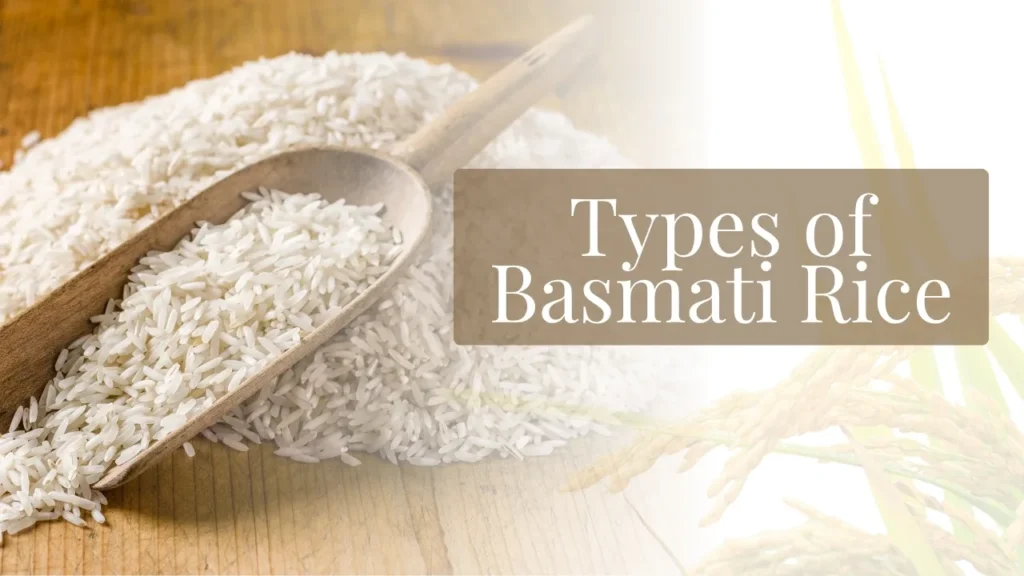
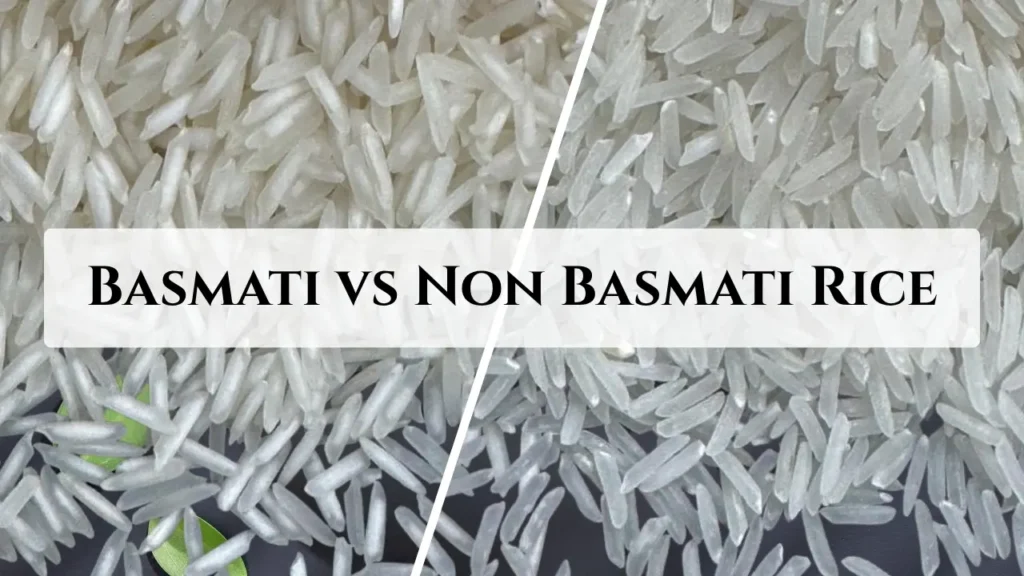
- Basmati rice export: Known for long grains, distinct aroma, and fluffy texture after cooking. Premium product, popular in the US, UK, and Middle East.
- Non basmati rice exports: Cover a wider range, including regular white rice and parboiled varieties.
- Parboiled rice exports: In steady demand across Africa and parts of Asia, since parboiling makes the grain more resistant to breakage during milling and shipping.
- Buyer’s choice depends on end use: Basmati suits retail and premium food service, while non-basmati and parboiled rice work better for bulk consumption and everyday cooking.
How to Choose a Reliable Exporter: Key Checkpoints
Picking the right exporter matters as much as picking the right rice variety. Here are the checkpoints buyers should look at before finalizing a supplier.
- Certifications: Check for FSSAI compliance and APEDA registration. These confirm the exporter meets India’s food safety and export standards.
- Sampling: Always ask for a sample before placing a bulk order. This lets you verify grain quality, moisture content, and consistency firsthand.
- MOQ (minimum order quantity): Understand the exporter’s MOQ upfront so it fits your purchase capacity and storage plans.
- Payment terms: Get clarity on payment structure, whether it is advance, letter of credit, or partial payment against shipment.
- Packaging quality: Check the type of packaging used, such as jute bags, PP bags, or vacuum packing, and whether it matches your market’s requirements.
Basic Idea of Documentation and Process
Buyers do not need to handle export paperwork themselves, but knowing the basics helps in evaluating an exporter’s credibility.
- HS code: Rice shipments are classified under specific HS codes, which help in customs clearance and duty calculation on both ends.
- Exporter association registration: A rice exporter registered with a recognized industry association adds a layer of trust, as it usually means the exporter follows set trade practices.
- Overall process: In short, the exporter handles sourcing, quality checks, documentation, and shipping, while the buyer’s main job is to verify the exporter’s credentials before the order is placed.
Growing Scope of the Rice Industry
The rice industry in India has shown steady growth over the years, backed by consistent production and expanding overseas demand. Global buyers continue to look for reliable Indian suppliers as domestic and international consumption both keep rising, which points to a stable future for rice export from India.
FAQs
Q1: Which rice can be exported from India?
Ans: India exports both basmati and non-basmati rice. Basmati is known for its aroma and long grain, while non-basmati includes regular white rice and parboiled rice, used mainly for bulk consumption.
Q2: Which rice is allowed to export from India?
Ans: Basmati and non-basmati rice are both allowed for export, subject to the exporter meeting quality and documentation requirements such as FSSAI compliance and APEDA registration.
Q3: How much does it cost to export rice from India?
Ans: Export cost depends on the rice variety, order quantity, packaging type, and shipping destination. Buyers should request a quote directly from the exporter based on their specific requirement.
Q4: Who are the top 5 exporters of rice in the world?
Ans: India ranks among the top rice exporters globally, along with countries like Thailand, Vietnam, Pakistan, and the United States.