Rice is a daily staple for more than half of the world’s population. Most of us eat it every day, but how much do we really know about it? Below are some interesting facts about rice, from where it first grew to why it matters in Indian traditions. You will read about its history, the science behind different types, and India’s place in global production. These facts about rice are simple, accurate, and easy to remember.
Where Did Rice Come From?
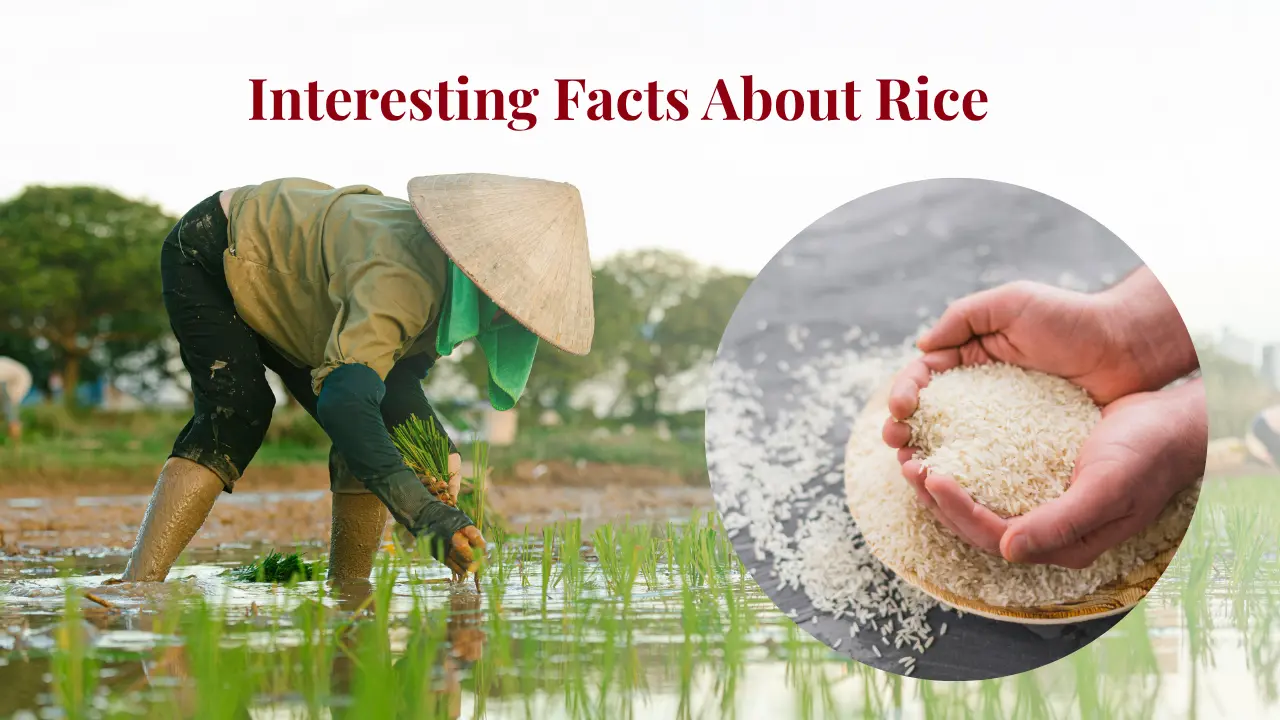
Rice has been grown for thousands of years, and it all began in Asia. Experts still debate the exact place of origin, but the regions of China, India and Southeast Asia are all part of the story. The rice plant is called Oryza sativa, and it belongs to the grass family. Early farmers slowly turned wild grass into a crop they could grow and store.
One of the most interesting rice facts is how far it travelled. Traders, travellers and settlers carried it to the Middle East, Europe, Africa and the Americas.
What Makes Rice Different: Structure and Types
Every rice grain has four parts: the husk, bran, germ and endosperm. The bran holds most of the fiber, and the endosperm is the starchy core. White rice has the bran and germ polished off, while brown rice keeps them. That is why the two taste and cook differently. Grains are also grouped by length: long, medium and short. Long grains stay separate after cooking, while short grains turn sticky.
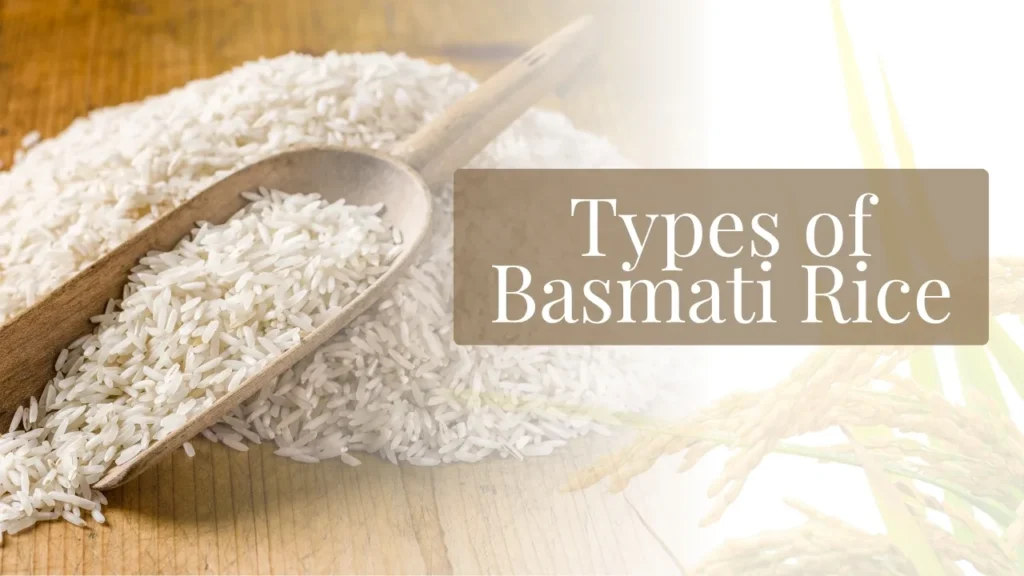
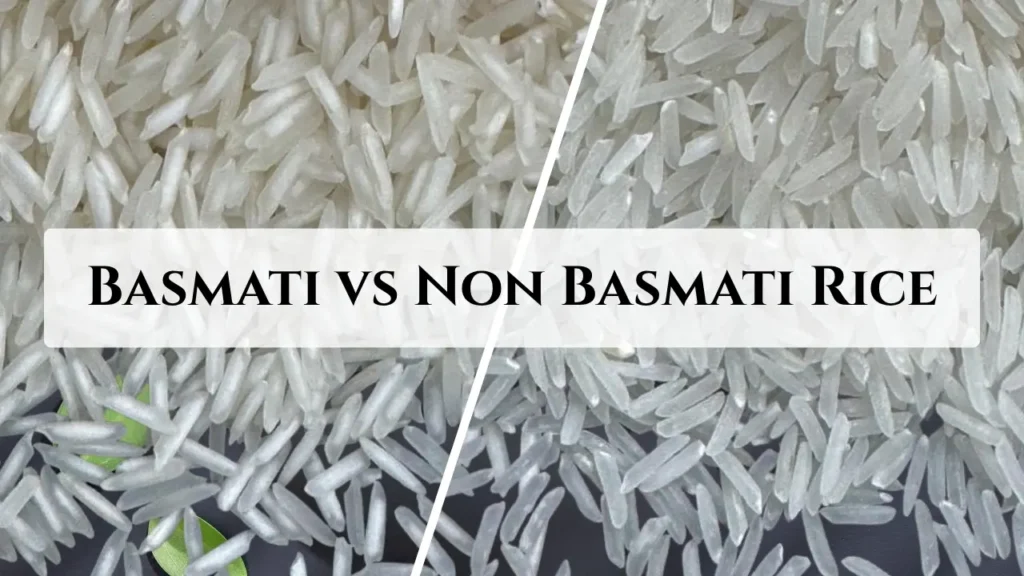
Basmati is known for its aroma and for stretching lengthwise as it cooks. Black and red rice are less common, with their own colour and flavour. Among all rice facts, the number of varieties stands out: tens of thousands.
Rice by the Numbers: India and the World
The production numbers are some of the most interesting facts about rice. According to USDA data for 2025-26, India is the world’s largest rice producer, with 154.02 million tonnes, or about 28% of global output. China ranks second, and Bangladesh comes third with 37.65 million tonnes.
Within India, Uttar Pradesh, West Bengal, Punjab and Telangana are among the top producing states, though the order changes every year. China and India are also the two biggest consumers of rice. These interesting facts on rice show how much of the world’s food depends on a few countries.
Rice and Indian Culture
One interesting fact about rice is that it shows up in Indian rituals, from childhood ceremonies to weddings. In puja, unbroken rice grains called akshat are offered to deities and used in tilak. Rice is also linked with prosperity and Goddess Lakshmi. Annaprashan marks a baby’s first taste of solid food, and rice is often what is served. Rice also features in wedding rituals in many regions. Harvest festivals like Pongal in Tamil Nadu and Onam in Kerala also centre on rice dishes. Across these customs, rice stands for prosperity and fertility.
Rice Myths vs Facts
Some interesting facts about rice are often misunderstood. Here is the rice fact behind three common myths.
- Myth: Rice alone makes you gain weight.
- Fact: Weight depends on total food intake, portion size and the type of rice.
- Myth: A wet phone should go in a bowl of rice.
- Fact: It does not reliably dry the phone, and phone makers advise against it because rice particles can cause damage.
- Myth: Rice never goes bad.
- Fact: Dry white rice keeps well, but moisture and pests can spoil it, and brown rice spoils sooner because of its natural oils.